
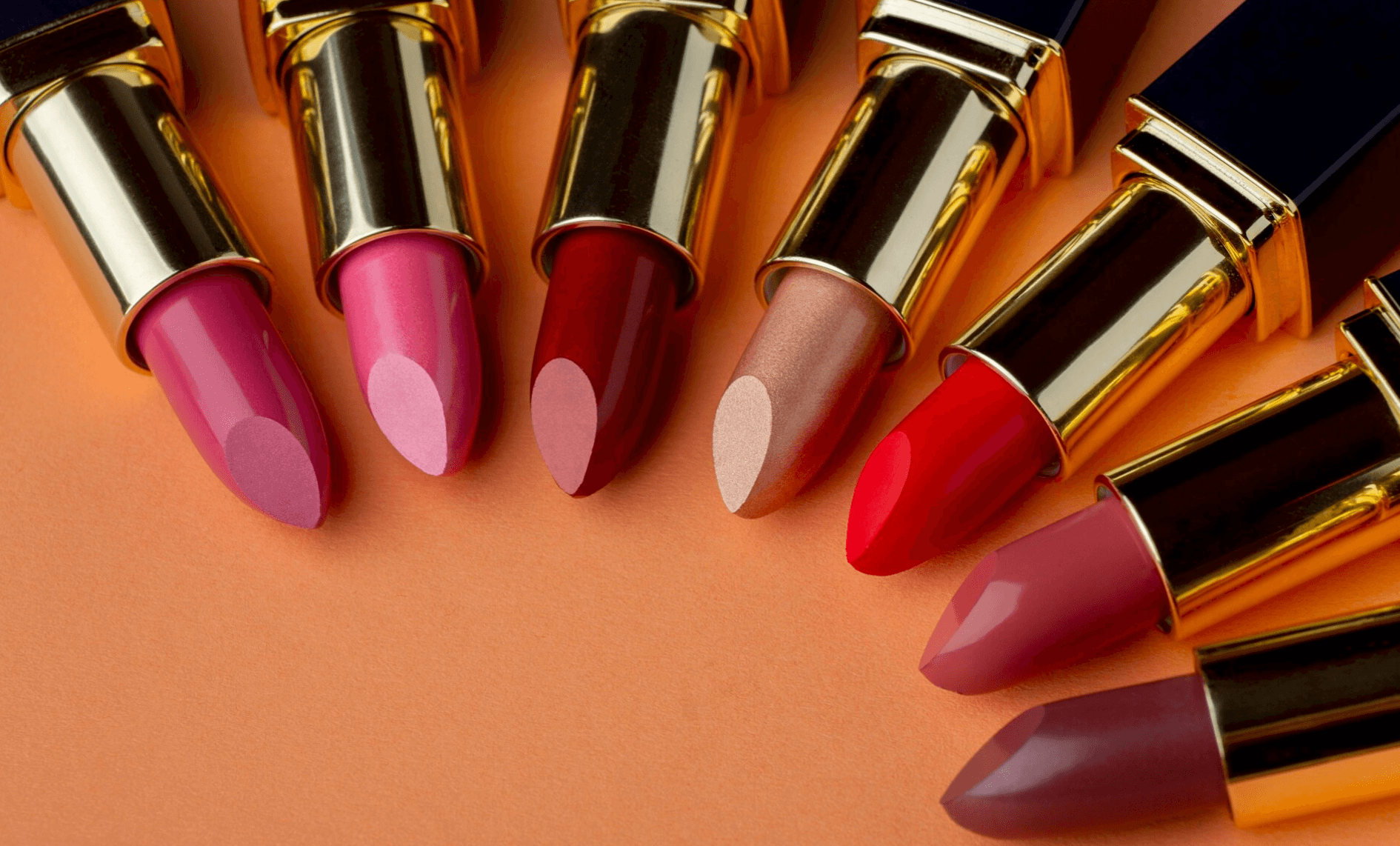
Best Burgundy Lipstick Shades for Every Skin Tone

Best Burgundy Lipstick Shades

Burgundy lipstick is a timeless beauty choice that adds depth, elegance, and sophistication to any makeup look. Whether you prefer a subtle wine-inspired shade or a bold, deep color, finding the best burgundy lipstick can help you create a look that complements your skin tone and personal style.

From everyday makeup to special occasions, burgundy offers a wide range of shades that work beautifully throughout fall and winter.

Why Is Burgundy Lipstick So Popular?

Burgundy combines deep red and purple tones, creating a rich color that can look elegant, dramatic, or effortlessly stylish depending on the shade and finish.

There are several reasons why this color remains a favorite:

  • Works with different skin tones and undertones.
  • Complements both natural and glamorous makeup.
  • Offers a sophisticated alternative to classic red lipstick.
  • Comes in matte, satin, and glossy finishes.
  • Looks particularly beautiful with fall and winter outfits.
  • Can be worn for everyday occasions or evening events.

The versatility of burgundy makes it a great addition to almost any makeup collection.

Best Winter Lipstick Colors

Best Burgundy Lipstick Shades to Try

Not all burgundy lipsticks look the same. Some feature warmer red undertones, while others lean toward purple, brown, or deep wine.

Here are some popular burgundy lipstick shades worth considering.

1. Classic Burgundy

Classic burgundy combines deep red with subtle purple undertones.

It creates a balanced, elegant appearance that works well for both casual and formal occasions.

This shade is a great option if you want something darker than traditional red lipstick without going too dramatic.

2. Dark Wine Burgundy

Dark wine burgundy features rich red and wine-inspired undertones.

It is particularly suitable for evening makeup, formal events, and winter occasions.

Pair it with softly defined eyes and a natural complexion to keep your overall look balanced.

3. Plum Burgundy

Plum burgundy contains stronger purple undertones, giving it a slightly cooler and more dramatic appearance.

It can complement cool and neutral undertones beautifully, although the right shade depends on your overall complexion.

4. Brown Burgundy

Brown burgundy combines deep red with warm brown tones.

It creates a softer, earthy appearance and works particularly well with bronze eyeshadow, warm blush, and neutral makeup.

5. Deep Berry Burgundy

Deep berry burgundy has noticeable berry and purple influences.

It is a beautiful choice for people who enjoy bold lip colors but want something more distinctive than classic red.

Best Burgundy Lipstick for Different Skin Tones

Choosing the right shade can make a significant difference in how your lipstick complements your complexion.

The best burgundy lipstick is not necessarily the darkest one. Instead, look for a shade that works harmoniously with your skin tone and undertone.

Burgundy Lipstick for Fair Skin

If you have fair skin, medium burgundy and berry-inspired shades can create a beautiful contrast.

Consider:

  • Soft wine burgundy.
  • Classic red burgundy.
  • Muted berry shades.
  • Medium plum burgundy.

Avoid choosing a shade that makes your overall makeup look unnecessarily harsh. A balanced eye makeup look can help create a more harmonious appearance.

Burgundy Lipstick for Medium Skin

Medium skin tones can complement a wide range of burgundy shades.

Warm burgundy, deep wine, and brown-red colors are particularly attractive options.

Try pairing these shades with warm blush and subtle bronze eyeshadow for an elegant makeup combination.

Burgundy Lipstick for Olive Skin

Olive skin often works beautifully with rich, earthy lipstick colors.

Consider burgundy shades with brown, red, or warm berry undertones.

These colors can complement the natural warmth of olive complexions without overpowering the rest of your makeup.

Burgundy Lipstick for Dark Skin

Deep and rich colors can create a stunning appearance on darker complexions.

Some excellent options include:

  • Deep wine burgundy.
  • Dark berry burgundy.
  • Brown burgundy.
  • Rich plum.
  • Black cherry-inspired shades.

A dark burgundy lipstick can create a striking look, especially when paired with softly highlighted skin and neutral eye makeup.

How to Choose the Right Burgundy Lipstick

Before purchasing a new lipstick, consider a few factors that can help you find a shade that suits your complexion and preferences.

Understand Your Undertone

Your skin undertone can help you identify which lipstick colors may complement your complexion.

There are three common undertone categories:

  • Warm Undertones: Look for burgundy shades with red, brown, or warm wine influences.
  • Cool Undertones: Consider plum, berry, and blue-based burgundy shades.
  • Neutral Undertones: You can experiment with both warm and cool burgundy colors.

These are useful starting points rather than strict rules. Personal preference and the overall makeup look also matter.

Choose the Right Finish

Burgundy lipstick comes in several finishes, each creating a different effect.

Matte Finish: Provides a bold, sophisticated appearance with minimal shine. It is particularly popular for evening makeup.

Satin Finish: Offers a balance between color intensity and a subtle sheen, making it suitable for everyday wear.

Glossy Finish: Creates a fresh, luminous appearance and can make lips look fuller.

Cream Finish: Provides smooth application and comfortable color coverage.

Choose a finish based on your preferred appearance and how comfortable it feels on your lips.

How to Apply Dark Burgundy Lipstick

Dark lipstick requires careful application because uneven edges and color mistakes can be more noticeable than with lighter shades.

Follow these steps for a polished result.

Step 1: Prepare Your Lips

Start by gently removing loose, dry skin with a soft lip cloth.

Apply a moisturizing lip balm and allow it to absorb before applying lipstick.

Step 2: Define Your Lip Shape

Use a lip liner that closely matches your lipstick shade.

Outline your natural lip shape, paying attention to the corners and cupid’s bow.

You can also lightly fill in your lips with the liner to create a more even base.

Step 3: Apply Your Lipstick

Apply the color from the center of your lips outward.

For more precise application, use a lip brush, especially when working with very dark shades.

Step 4: Remove Excess Product

Gently blot your lips with a tissue to remove excess lipstick.

This can help create a more even finish and reduce product transfer.

Step 5: Clean Up the Edges

Use a small amount of concealer around the lip line if needed.

This helps define the shape and correct minor application mistakes.

Makeup Looks That Pair Well With Burgundy Lipstick

Burgundy is a versatile color that can complement different makeup styles.

Here are some combinations to try.

1. Burgundy Lips with Neutral Eyes

Pair burgundy lipstick with beige, brown, or soft taupe eyeshadow.

This combination keeps attention on your lips while maintaining an elegant appearance.

2. Burgundy Lips with Smokey Eyes

For a dramatic evening look, combine deep burgundy lipstick with a soft brown or charcoal smokey eye.

Keep the rest of your complexion balanced to avoid making the makeup look too heavy.

3. Burgundy Lips with Glowy Skin

A radiant complexion can beautifully complement rich lip colors.

Use a natural-looking foundation, subtle blush, and a touch of highlighter to create a fresh appearance.

4. Burgundy Lips with Minimal Makeup

You do not need dramatic eye makeup to wear a bold lipstick.

A little mascara, natural brows, and light blush can create an attractive everyday look.

Common Burgundy Lipstick Mistakes to Avoid

Although burgundy is a versatile color, certain mistakes can affect the final appearance.

Avoid these common issues:

  • Applying dark lipstick to dry or unprepared lips.
  • Choosing a lip liner that contrasts too much with the lipstick.
  • Applying too many thick layers.
  • Ignoring the natural shape of your lips.
  • Pairing very dark lips with overly heavy eye makeup.
  • Choosing a finish that feels uncomfortable throughout the day.

Preparing your lips and applying color carefully can make a noticeable difference.

Frequently Asked Questions

What is the best burgundy lipstick shade?

The best shade depends on your skin tone, undertone, and personal preference. Classic burgundy works for many complexions, while plum, wine, and brown burgundy offer different variations.

Does burgundy lipstick suit every skin tone?

Yes. Burgundy comes in many variations, making it possible to find suitable shades for fair, medium, olive, and dark skin tones.

Is dark burgundy lipstick good for everyday wear?

Yes. You can wear dark burgundy lipstick during the day by keeping the rest of your makeup simple. A light application or satin finish can create a softer appearance.

What makeup goes best with burgundy lipstick?

Neutral eyeshadow, soft blush, natural foundation, and subtle highlighting work particularly well. For evening occasions, you can also pair burgundy lips with a smokey eye.

What is the difference between burgundy and wine lipstick?

Both shades feature deep red tones, but burgundy often has more noticeable purple or brown undertones, while wine lipstick typically leans toward deep red and berry influences. The exact appearance varies between brands.

How can I make dark burgundy lipstick last longer?

Prepare your lips with a light moisturizing routine, apply a matching lip liner, use thin lipstick layers, and gently blot excess product. A long-wearing lipstick formula can also help improve wear time.

Is matte burgundy lipstick better than glossy lipstick?

Neither finish is universally better. Matte lipstick creates a bold, defined look, while glossy lipstick provides shine and a fuller-looking appearance. Your choice depends on your preferred style and comfort.
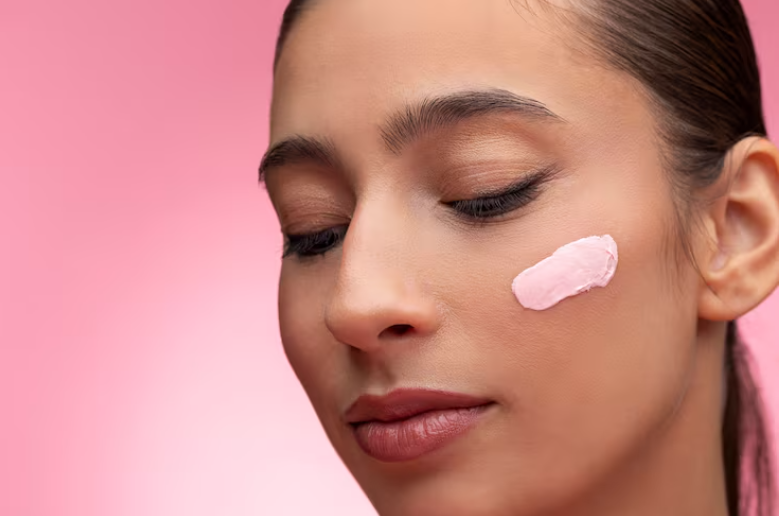
How to Choose the Best Moisturizer Before Makeup

best moisturizer before makeup

Best Moisturizer Before Makeup

Applying moisturizer before makeup is an essential step for achieving a smooth, comfortable, and natural-looking finish. The best moisturizer before makeup helps hydrate your skin, reduce dry patches, and create a suitable base for foundation and other makeup products.

However, choosing the right formula depends on your skin type, the ingredients, and how your moisturizer works with your makeup.

Why Should You Moisturize Before Makeup?

Your skin needs adequate hydration to maintain a smooth appearance and help makeup apply evenly.

Without proper moisturizing, foundation may settle into dry patches, emphasize fine lines, or look uneven throughout the day.

Using a suitable moisturizer before makeup offers several benefits:

  • Helps maintain skin hydration.
  • Creates a smoother surface for foundation.
  • Reduces the appearance of dry and flaky patches.
  • Improves makeup application and blending.
  • Helps prevent a tight or uncomfortable feeling.
  • Supports the skin’s natural moisture barrier.

A good skincare routine can make a noticeable difference in how your makeup looks and feels.

Best Types of Moisturizers to Use Before Makeup

Not every moisturizer works equally well under foundation. Some formulas are lightweight and absorb quickly, while others provide richer hydration for dry skin.

Here are some options to consider.

1. Lightweight Gel Moisturizer

Gel moisturizers are popular because they provide hydration without leaving a heavy or greasy feeling.

They are particularly suitable for oily and combination skin, especially when you want your makeup to look fresh rather than shiny.

Look for ingredients such as hyaluronic acid and glycerin to help maintain skin moisture.

2. Hydrating Cream Moisturizer

A hydrating cream moisturizer is often a better option for people with dry or dehydrated skin.

These formulas usually have a richer texture and may contain ingredients that help reduce moisture loss.

A suitable hydrating face cream can help soften rough areas and create a comfortable base for foundation.

3. Oil-Free Moisturizer

If your skin tends to become oily throughout the day, an oil-free moisturizer may be a practical choice.

These products provide hydration without necessarily adding a heavy or greasy layer.

Look for lightweight formulas that absorb easily and work well with your foundation.

4. Barrier Repair Moisturizer

Barrier-supporting moisturizers are useful for skin that frequently feels dry, tight, or sensitive.

They may contain ceramides, glycerin, and other moisturizing ingredients that help maintain the skin’s protective barrier.

Choose a formula that feels comfortable and does not cause irritation.

the best Makeup for Winter

How to Choose the Best Moisturizer Before Makeup

The right moisturizer should match your skin’s needs while working well with your makeup products.

Consider these important factors before choosing one.

Consider Your Skin Type

Your skin type plays an important role in selecting the right moisturizer.

  • Dry Skin: Choose a richer cream containing ceramides, glycerin, or squalane.
  • Oily Skin: Look for lightweight gel or oil-free formulas.
  • Combination Skin: Consider a balanced moisturizer that hydrates without feeling heavy.
  • Sensitive Skin: Choose fragrance-free products with gentle ingredients.
  • Normal Skin: A lightweight cream or lotion may provide sufficient hydration.

Understanding your skin type helps you avoid products that feel too heavy or fail to provide enough moisture.

Look for Hydrating Ingredients

The ingredients in your moisturizer can influence how your skin feels and how makeup applies.

Some beneficial ingredients include:

  • Hyaluronic Acid: Attracts water and helps maintain skin hydration.
  • Glycerin: Helps draw moisture into the outer layers of the skin.
  • Ceramides: Support the skin’s protective moisture barrier.
  • Squalane: Helps soften the skin and reduce moisture loss.
  • Niacinamide: Supports the skin barrier and can help improve overall skin appearance.
  • Panthenol: Helps soothe and moisturize the skin.

Choosing a formula with suitable ingredients can help create a more comfortable base for makeup.

Check the Texture and Absorption

A moisturizer that remains excessively greasy may interfere with foundation application.

Ideally, your moisturizer should absorb comfortably without leaving a sticky or heavy residue.

If you prefer a dewy makeup finish, a slightly richer formula may work well. For a more natural or matte appearance, consider a lightweight lotion.

How to Apply Moisturizer Under Makeup

Even the right moisturizer may not deliver the desired result if you apply it incorrectly.

Follow these steps to prepare your skin before foundation.

Step 1: Cleanse Your Face

Start with a gentle facial cleanser to remove dirt, oil, and impurities.

Avoid harsh cleansing products that leave your skin feeling tight or uncomfortable.

Step 2: Apply a Hydrating Serum

If your skincare routine includes a serum, apply it before moisturizer.

Ingredients such as hyaluronic acid can help attract moisture and improve skin hydration.

Step 3: Apply Your Moisturizer

Take a small amount of moisturizer and gently spread it across your face.

Pay particular attention to dry areas around your cheeks, nose, and forehead.

Avoid applying an unnecessarily thick layer, as excess product may make foundation harder to blend.

Step 4: Allow It to Absorb

Give your moisturizer a few minutes to settle into your skin before applying makeup.

This helps reduce product buildup and gives your foundation a more consistent surface to adhere to.

Step 5: Apply Sunscreen During the Day

If you are applying makeup during the daytime, sunscreen should be part of your skincare routine.

Choose a broad-spectrum SPF 30 or higher and apply it after moisturizer, following the product’s instructions.

Allow it to set before moving on to primer and foundation.

Step 6: Apply Primer and Foundation

Once your skincare products have settled, apply primer if needed.

Follow with your preferred foundation, blending gently to achieve your desired coverage.

Common Moisturizer Mistakes Before Makeup

Some skincare habits can make makeup look uneven or cause products to separate.

Avoid these common mistakes:

  • Applying too much moisturizer before foundation.
  • Choosing a formula that does not suit your skin type.
  • Applying foundation before moisturizer has settled.
  • Using multiple heavy skincare layers.
  • Skipping sunscreen during daytime makeup routines.
  • Mixing incompatible products without testing how they work together.
  • Ignoring persistent dryness and relying only on makeup to cover it.

A simple, consistent skincare routine is often more effective than applying too many products.

How to Make Makeup Look Better After Moisturizing

Moisturizing is only one part of preparing your skin. Your application technique and product combinations also affect the final result.

Here are some practical tips:

  • Use thin layers of skincare products.
  • Choose foundation with a finish that complements your skin type.
  • Avoid excessive powder if your skin is dry.
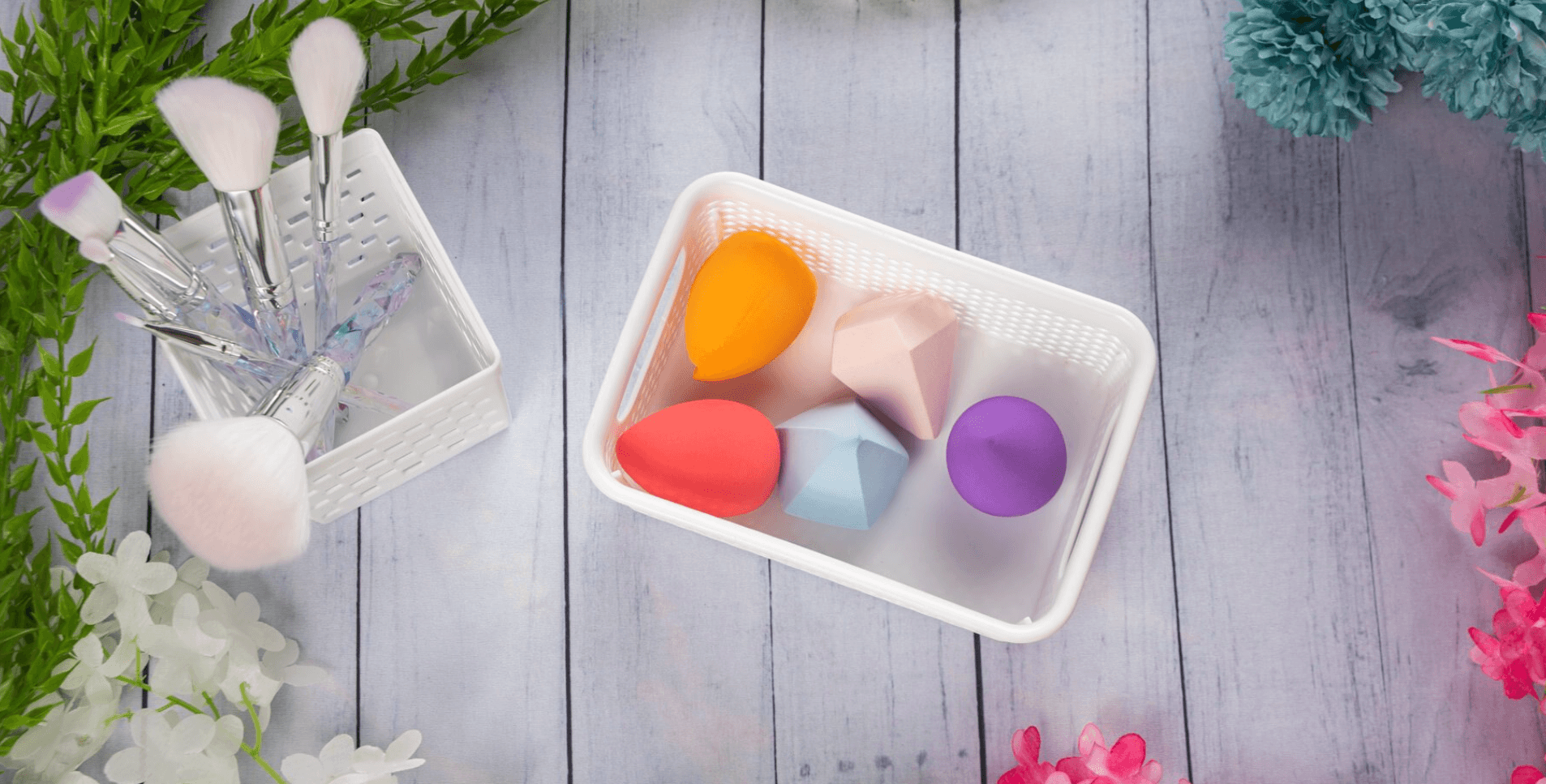
  • Use a damp makeup sponge for smoother foundation application.
  • Apply concealer only where additional coverage is needed.
  • Choose a setting spray suitable for your skin type.

If your foundation frequently separates or looks patchy, experiment with simpler skincare layers and allow each product to settle before applying the next.

Frequently Asked Questions

What is the best moisturizer before makeup?

The best option depends on your skin type. Lightweight gel moisturizers often work well for oily skin, while richer creams containing ceramides, glycerin, or squalane may be more suitable for dry skin.

Can I apply foundation directly over moisturizer?

Yes, you can apply foundation over moisturizer. However, allow the moisturizer to absorb first to reduce the risk of uneven application, pilling, or product separation.

Should I use moisturizer or primer first?

Moisturizer should generally be applied before primer. Your skincare products come first, followed by sunscreen during the day, then primer and foundation.

Is a hydrating face cream good under makeup?

Yes. A suitable hydrating face cream can help soften dry areas and create a comfortable base for makeup. Choose a texture that matches your skin type and absorbs without leaving excessive residue.

How long should I wait between moisturizer and makeup?

There is no fixed waiting time for every product. Generally, a few minutes is a good starting point. Wait until your moisturizer feels settled and your skin is not excessively wet or sticky before applying makeup.

Can oily skin use moisturizer before makeup?

Absolutely. Oily skin still needs hydration. Choose a lightweight, non-comedogenic moisturizer that provides moisture without leaving a heavy or greasy finish.

Why does my foundation separate after applying moisturizer?

Foundation may separate if you apply too many skincare layers, use excessive moisturizer, or combine products that do not work well together. Try using smaller amounts and allowing each layer to settle before applying foundation.

Best Foundation for Dry Skin in Winter: Top Tips

best foundation for dry skin

Best Foundation for Dry Skin in Winter

Winter weather can leave your skin feeling tight, rough, and flaky, making foundation harder to apply smoothly. Choosing the best foundation for dry skin can help you achieve a natural, hydrated finish without emphasizing dry patches or fine lines.

The key is to look for moisturizing ingredients, lightweight textures, and formulas that support your skin’s natural moisture barrier.

Why Does Skin Become Drier in Winter?

Cold temperatures, low humidity, indoor heating, and hot showers can reduce moisture levels in your skin. As a result, your complexion may become dehydrated, rough, or visibly flaky.

These conditions can also affect how makeup looks throughout the day. Traditional matte foundations may settle into dry areas, highlight uneven texture, and create a cakey appearance.

Choosing a hydrating formula and preparing your skin properly can make a noticeable difference in your winter makeup routine.

Best Foundation Types for Dry Skin

Not all foundations provide the same level of hydration. Understanding different formulas can help you find the right option for your skin type.

1. Hydrating Liquid Foundation

Liquid foundations with moisturizing ingredients are often a great choice for dry skin. They spread easily, blend smoothly, and provide a comfortable finish.

Look for formulas containing:

  • Hyaluronic acid to attract and retain moisture.
  • Glycerin to help keep skin hydrated.
  • Ceramides to support the skin barrier.
  • Squalane to soften and condition the skin.

A hydrating foundation can help minimize the appearance of dry patches while giving your complexion a fresh, natural look.

2. Serum Foundation

Serum foundations combine lightweight coverage with skincare-inspired ingredients. Their fluid consistency makes them easy to blend without creating a heavy makeup layer.

They are particularly suitable for people who prefer a natural finish rather than full-coverage makeup.

3. Cream Foundation

Cream foundations typically offer richer textures and buildable coverage. They can work well for dry skin, especially when you want to cover redness, discoloration, or uneven skin tone.

However, choose a formula that blends easily and does not feel excessively thick.

4. Dewy Foundation

Dewy foundations create a radiant finish that can make dry skin appear healthier and more refreshed.

They are a good option for winter makeup because they avoid the overly flat appearance that some matte formulas can create.

Best Makeup for Winter

How to Choose the Best Foundation for Dry Skin

Finding the right product requires more than choosing a shade that matches your complexion. You should also consider its ingredients, coverage, and finish.

Here are the most important factors to consider.

Look for Hydrating Ingredients

The best foundation for dry skin should contain ingredients that help maintain moisture and improve comfort throughout the day.

Some beneficial ingredients include:

  • Hyaluronic Acid: Helps attract water to the skin.
  • Glycerin: Supports skin hydration.
  • Squalane: Helps soften and smooth the complexion.
  • Ceramides: Help maintain the skin’s protective barrier.
  • Vitamin E: Provides antioxidant benefits and helps condition the skin.

These ingredients can make foundation more comfortable to wear, especially during colder months.

Avoid Overly Matte Formulas

Matte foundations can sometimes emphasize flaky areas and uneven skin texture.

If your skin is naturally dry, consider avoiding products marketed as extremely matte or oil-controlling unless they are specifically formulated to provide hydration.

Instead, look for satin, natural, or dewy finishes.

Choose the Right Coverage

Heavy foundation is not always the best solution for uneven skin tone.

Consider your coverage preferences:

  • Light coverage: Ideal for everyday makeup and a natural appearance.
  • Medium coverage: Helps conceal redness and minor imperfections.
  • Full coverage: Suitable for more noticeable discoloration, provided the formula remains comfortable and moisturizing.

A lightweight formula with buildable coverage is often a practical choice.

Best Foundation for Flaky Skin

Flaky skin requires special attention because foundation can easily settle around dry patches and make them more visible.

If you are looking for a foundation for flaky skin, focus on formulas that provide moisture and blend without dragging across the complexion.

Consider these tips:

  1. Choose a liquid or serum foundation with a hydrating formula.
  2. Avoid applying thick layers of makeup.
  3. Use a moisturizer before foundation.
  4. Allow skincare products to absorb before applying makeup.
  5. Apply foundation with a damp makeup sponge using gentle tapping motions.
  6. Avoid excessive powder, especially around dry areas.

Remember that foundation cannot treat the underlying cause of skin flaking. If your skin is persistently irritated, peeling, or uncomfortable, consider consulting a dermatologist.

How to Prepare Dry Skin Before Foundation

Proper skin preparation is just as important as choosing the right foundation. Even an expensive product may look uneven if your skin is dehydrated or covered with loose flakes.

Follow this simple routine before applying makeup.

Step 1: Cleanse Gently

Use a gentle, hydrating cleanser that removes dirt and excess oil without stripping your skin.

Avoid harsh cleansers that leave your face feeling tight after washing.

Step 2: Apply a Hydrating Serum

A serum containing hyaluronic acid or glycerin can help increase skin hydration.

Apply it to slightly damp skin and follow with a moisturizer.

Step 3: Use a Moisturizer

Choose a moisturizer suitable for your skin type.

Cream-based moisturizers may provide additional comfort during winter, particularly if your skin feels tight or rough.

Step 4: Apply a Hydrating Primer

A hydrating primer creates a smoother surface for foundation application.

It can help makeup spread more evenly and improve the overall appearance of your complexion.

Step 5: Apply Foundation Gently

Start with a small amount of foundation and blend it gradually.

Use a damp sponge or a soft foundation brush, focusing on areas that need more coverage.

Avoid rubbing the product aggressively, as this may emphasize flaky patches.

Common Foundation Mistakes to Avoid

Even when using the right products, certain makeup habits can make dry skin look worse.

Watch out for these common mistakes:

  • Applying foundation directly to unmoisturized skin.
  • Using too much powder to set the entire face.
  • Choosing a foundation with an excessively matte finish.
  • Applying multiple thick layers to cover imperfections.
  • Skipping primer when your skin needs additional hydration.
  • Using makeup brushes with harsh or rough bristles.
  • Ignoring skincare and relying on foundation to hide dryness.

A lighter application often creates a smoother and more natural result.

How to Make Foundation Last Longer in Winter

Cold weather and indoor heating can affect how makeup looks throughout the day. A few adjustments can help maintain a fresh finish.

  • Start with a consistent moisturizing skincare routine.
  • Allow your moisturizer and primer to absorb before applying foundation.
  • Use thin layers instead of applying too much product at once.
  • Apply setting powder only where necessary.
  • Choose a hydrating setting spray to finish your makeup.
  • Avoid repeatedly touching or rubbing your face.

These simple steps can help your makeup look smoother without making your skin feel heavy or uncomfortable.

Frequently Asked Questions

What is the best foundation for dry skin in winter?

A hydrating liquid, serum, or cream foundation with ingredients such as hyaluronic acid, glycerin, and squalane is often a good choice. Look for natural or dewy finishes that provide comfortable coverage.

Is liquid foundation better for dry skin?

Liquid foundation is often suitable for dry skin because many formulas offer lightweight textures and moisturizing ingredients. However, the best option depends on the product’s formulation rather than its texture alone.

How do I stop foundation from looking flaky?

Start with gentle cleansing, apply a hydrating serum and moisturizer, and use a suitable primer. Choose a hydrating foundation and blend it gently with a damp makeup sponge.

Should people with dry skin use matte foundation?

People with dry skin may find that traditional matte foundations emphasize flaky areas and uneven texture. Natural, satin, and dewy finishes are often more comfortable alternatives.

Is a hydrating foundation suitable for everyday use?

Yes. A lightweight hydrating foundation can be suitable for everyday makeup, particularly if it provides comfortable coverage without feeling heavy or drying.

Can I mix moisturizer with foundation?

Some people mix a small amount of moisturizer with foundation to create a lighter finish. However, this may change the product’s performance and wear time. Applying moisturizer separately before foundation is generally a more reliable approach.