
Winter Eye Makeup: Easy Looks, Colors & Tips for the Cold Season

winter eye makeup

Winter is a great season to experiment with deeper eyeshadow shades, soft shimmer, defined lashes, and elegant eye makeup combinations. Whether you prefer a natural daytime look or something more dramatic for an evening occasion, the right winter eye makeup can add warmth and definition to your overall appearance.

What Makes Winter Eye Makeup Different?

Winter makeup often focuses on richer and more sophisticated colors. Brown, bronze, plum, taupe, charcoal, and soft gold are popular choices that can create both subtle and dramatic looks.

The goal isn’t necessarily to use dark colors. Soft neutral shades can also create a beautiful winter look when combined with natural skin makeup and a comfortable lip color.

Best Eyeshadow Colors for Winter

Choosing the right eyeshadow shades can completely change your winter makeup look. Consider these colors for different styles:

Brown and Taupe

Brown and taupe are versatile choices for everyday winter eye makeup. They create definition without looking too intense and work well with both casual and polished outfits.

Use a light taupe shade across the lid and add a slightly deeper brown to the outer corner for a simple, blended look.

Bronze and Soft Gold

Bronze and gold eyeshadows can add warmth and subtle brightness during the colder months. A soft shimmer on the eyelid can make the eyes appear more defined without requiring heavy makeup.

For an evening look, combine bronze with deeper brown in the outer corner.

Plum and Berry

Plum, mauve, and berry-inspired eyeshadows are excellent choices when you want something more distinctive. These shades can create a sophisticated winter appearance while adding a touch of color.

Keep the rest of your makeup relatively simple when using stronger shades around the eyes.

Best Makeup for Winter

Charcoal and Deep Brown

For a smoky winter look, charcoal and deep brown can provide definition without the intensity of pure black. Blend the colors carefully to create a soft transition around the eyes.

These shades work particularly well for evening events and special occasions.

Easy Winter Eye Makeup for Everyday Wear

You don’t need many products to create an attractive everyday winter eye look.

Start with a neutral eyeshadow close to your natural skin tone. Apply a medium brown or taupe shade to the crease and blend it gently. Add a slightly brighter shade to the center of the eyelid, then finish with mascara.

For a more defined appearance, apply a thin line of brown or black eyeliner close to the upper lash line.

This simple combination creates polished winter eye makeup without making the look feel too heavy for daytime.

How to Create a Soft Winter Smoky Eye

A smoky eye doesn’t have to be dramatic. You can create a softer version using neutral winter shades.

  1. Apply a light neutral shade across the eyelid.
  2. Add medium brown to the crease.
  3. Blend a deeper brown into the outer corner.
  4. Apply a small amount of shimmer to the center of the lid.
  5. Use a soft eyeliner along the upper lash line.
  6. Finish with mascara.

The key is blending. Harsh transitions between eyeshadow shades can make the makeup look less natural.

Winter Eye Makeup for Evening Looks

Winter evenings are a perfect opportunity to experiment with more defined eye makeup. Bronze, deep brown, plum, charcoal, and metallic shades can create an elegant appearance.

For a glamorous look, combine a neutral matte crease color with shimmer on the eyelid. Add eyeliner and mascara to emphasize the eyes.

If you’re wearing a bold eye look, consider keeping your lipstick and blush softer so the overall makeup remains balanced.

Contact Us!

How to Make Eye Makeup Last in Winter

Cold weather can affect the skin around your eyes, particularly if it becomes dry. Applying a lightweight moisturizer around the eye area before makeup can help create a smoother base.

An eyeshadow primer can also help improve the appearance and longevity of your makeup. Apply a thin layer and allow it to settle before adding eyeshadow.

If your eyelids become oily despite the cold weather, use a small amount of setting powder or an appropriate eye primer to reduce creasing.

Winter Eye Makeup Tips for Different Eye Shapes

The same makeup technique doesn’t necessarily work for everyone. Small adjustments can help emphasize your natural eye shape.

For hooded eyes, placing slightly darker eyeshadow above the natural crease can help create more visible definition.

For round eyes, extending eyeshadow slightly outward can create a more elongated appearance.

For almond-shaped eyes, eyeliner along the upper lash line can enhance their natural shape.

The most important thing is to adapt the technique to your features rather than following one fixed makeup style.

Common Winter Eye Makeup Mistakes

Using too much eyeshadow at once can make blending difficult and create a heavy appearance. Start with small amounts and gradually build the intensity.

Another common mistake is neglecting the skin around the eyes. Dryness can make concealer and eyeshadow appear uneven, so proper hydration is important.

Finally, avoid choosing every makeup element in a dark shade. If you’re using deep eyeshadow, a softer blush or lip color can create better balance.

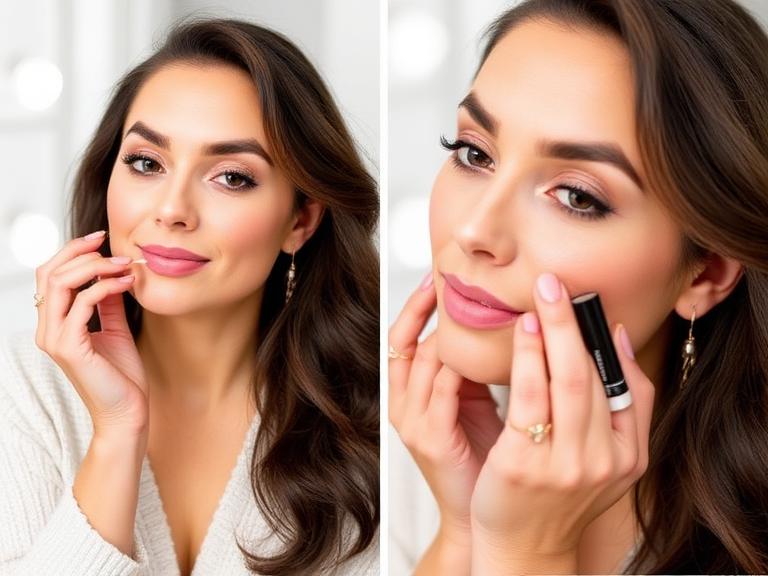
Best Winter Lipstick Colors

Winter Eye Makeup Ideas to Try

Looking for inspiration? Try these combinations:

  • Natural: Taupe eyeshadow + brown eyeliner + mascara.
  • Warm: Bronze eyeshadow + brown crease + soft gold shimmer.
  • Romantic: Mauve eyeshadow + rosy blush + soft pink lips.
  • Elegant: Plum eyeshadow + defined lashes + neutral lipstick.
  • Smoky: Deep brown + charcoal + subtle shimmer.
  • Glamorous: Gold shimmer + dark brown outer corner + black eyeliner.

Frequently Asked Questions

What colors are best for winter eye makeup?

Brown, taupe, bronze, gold, plum, mauve, charcoal, and deep brown are versatile winter eyeshadow colors. You can choose lighter or deeper versions depending on the occasion.

What is an easy winter eye makeup look?

A simple combination of taupe eyeshadow, medium brown in the crease, subtle shimmer, eyeliner, and mascara can create an easy everyday winter look.

Is shimmer eyeshadow suitable for winter?

Yes. Soft gold, bronze, champagne, and other shimmer shades can add brightness and dimension to winter eye makeup, particularly for evening looks.

How can I stop winter eye makeup from creasing?

Using a suitable eye primer and applying eyeshadow in thin layers can help reduce creasing. Avoid applying excessive skincare products directly onto the eyelids before makeup.

What lipstick goes with winter eye makeup?

Neutral nude, mauve, dusty pink, and soft berry lip colors can complement most winter eye makeup looks. For dramatic eyes, a softer lip can help maintain balance.

Refresh Your Winter Beauty Routine

Whether you prefer soft neutrals, warm bronze, or dramatic plum shades, winter eye makeup gives you plenty of ways to refresh your beauty routine. Experiment with different colors and finishes to create looks that suit your style, occasion, and natural features.
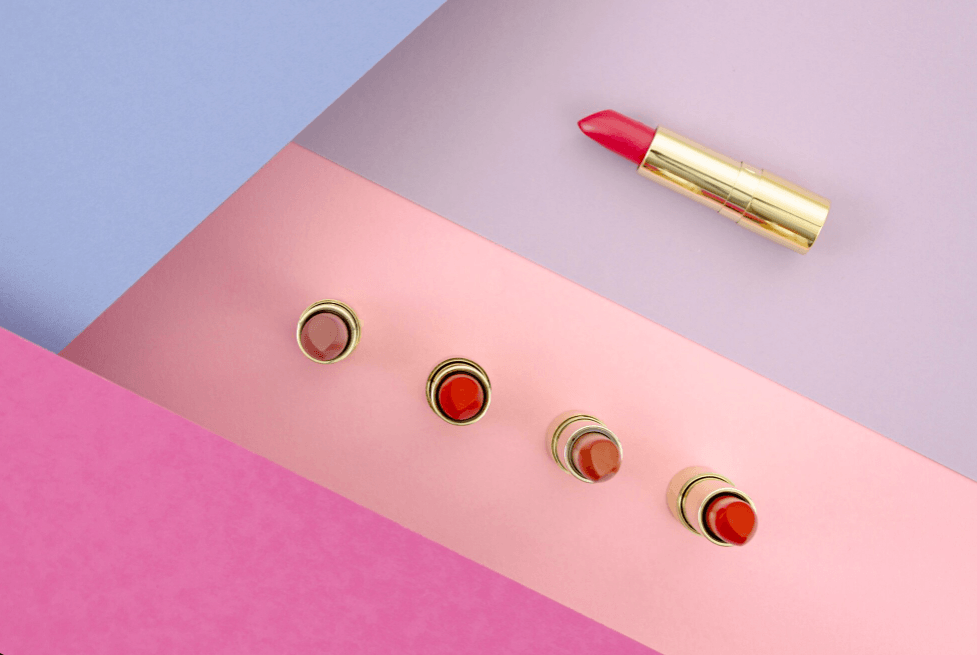

Winter Lipstick Colors: The Best Shades for Every Look

winter lipstick colors

Winter is the perfect season to experiment with deeper, richer, and more elegant lip shades. From classic berry and burgundy to soft mauve and warm nude, the right lipstick can instantly elevate an everyday makeup look.

If you’re searching for the best winter lipstick colors, the key is to choose shades that complement your skin tone, personal style, and the type of look you want to create.

Why Are Darker Lip Colors Popular in Winter?

Winter makeup often features richer and warmer tones than the soft, bright shades commonly associated with spring and summer. Deep reds, berries, plums, and browns can add definition and create a sophisticated appearance.

However, winter lipstick doesn’t always have to be dark. Soft pinks, rosy nudes, and muted mauves can create a beautiful natural look for everyday wear.

1. Burgundy

Burgundy is one of the most recognizable winter lipstick colors. Its deep red tone creates an elegant and sophisticated look without being as bright as traditional red lipstick.

It works particularly well for evening makeup, special occasions, and winter events. Pair it with neutral eye makeup to keep the lips as the main focus.

2. Berry

Berry shades are another excellent choice for winter. They range from soft raspberry and cranberry tones to deeper berry colors.

A sheer berry lipstick can create a subtle everyday look, while a more pigmented formula can provide a dramatic finish for evenings.

Berry shades are also versatile because they can add color to the face without looking overly bold.

3. Plum

Plum lipstick offers a deeper alternative to traditional red and pink shades. It can create a sophisticated winter look, especially when paired with soft eyeshadow and defined lashes.

If you’re new to dark lipstick, try a lighter plum or mauve-plum shade before moving toward deeper colors.

4. Classic Red

Red lipstick never goes out of style, and winter is an ideal season to wear it. A classic red lip can instantly make simple makeup look more polished.

For a traditional winter appearance, choose a deeper red with cool or neutral undertones. For a warmer look, brick red or warm red shades can work beautifully.

5. Mauve

Mauve is one of the easiest winter lipstick colors to wear every day. It combines subtle pink, purple, and neutral tones, creating a soft and sophisticated appearance.

Mauve works particularly well with neutral eyeshadow, natural skin makeup, and soft blush. It is a practical choice when you want winter-inspired makeup without a dramatic lip.

6. Brown and Chocolate Tones

Brown lipstick has become a popular choice for creating a warm and modern makeup look. Chocolate, caramel, and cocoa-inspired shades can complement winter outfits and neutral makeup.

Lighter brown-nude shades are suitable for daytime, while deeper chocolate tones can create a more defined evening look.

7. Rose and Dusty Pink

If you prefer softer makeup, rose and dusty pink are excellent winter options. These shades provide a natural-looking touch of color while maintaining the elegant feel of a winter makeup palette.

They are particularly suitable for work, casual outings, and everyday makeup routines.

Our Products For Winter

How to Choose Winter Lipstick Colors for Your Skin Tone

Your skin’s undertone can help you choose lipstick shades that complement your complexion.

Cool undertones:
Berry, plum, blue-based red, and cool pink shades can work well with cool undertones.

Warm undertones:
Brick red, warm brown, terracotta, peachy nude, and warm berry shades can complement warm undertones.

Neutral undertones:
People with neutral undertones can often experiment with both warm and cool lipstick shades, including mauve, classic red, rose, and berry.

Remember that these are general guidelines rather than strict rules. Personal preference and the overall makeup look are just as important.

Matte or Creamy Lipstick for Winter?

The finish you choose can change the entire appearance of your makeup. Matte lipstick provides a defined and sophisticated look, while creamy and satin formulas can create a softer appearance.

During winter, very dry lips may make some matte formulas look uneven. Applying a nourishing lip balm beforehand can help create a smoother base.

For everyday wear, a creamy or satin lipstick can be a comfortable option. For special occasions, a well-prepared lip can make a matte burgundy, red, or plum shade look elegant and polished.

How to Make Your Winter Lipstick Last Longer

Start by gently exfoliating your lips when needed, followed by a moisturizing lip balm. Allow the balm to absorb before applying lipstick.

You can then outline the lips with a matching lip liner and apply lipstick in a thin layer. Blot gently and add another light layer if you want more intensity.

Avoid applying excessive layers, as they can make lipstick feel heavy or emphasize dry areas.

Easy Winter Lipstick Combinations

You can create different looks by matching your lipstick with the rest of your makeup:

  • Natural look: Mauve lipstick + soft blush + neutral eyeshadow.
  • Classic look: Red lipstick + subtle eyeliner + glowing skin.
  • Elegant evening look: Burgundy lipstick + defined lashes + neutral eyes.
  • Soft winter look: Dusty pink lipstick + rosy blush + brown eyeshadow.
  • Bold look: Plum lipstick + minimal eye makeup + sculpted complexion.

Contact Us!

Frequently Asked Questions

What are the best winter lipstick colors?

Popular winter lipstick colors include burgundy, berry, plum, red, mauve, chocolate brown, and dusty pink. The right choice depends on your skin tone and preferred makeup style.

Is red lipstick good for winter?

Yes. Red lipstick is a timeless choice for winter and can create anything from a classic everyday appearance to a sophisticated evening look.

What lipstick colors suit winter outfits?

Deep red, burgundy, berry, plum, brown, and mauve can pair well with many winter outfits, particularly neutral colors such as black, beige, grey, brown, and cream.

Is matte lipstick suitable for winter?

Matte lipstick can look beautiful in winter, but dry lips can make matte formulas appear flaky. Moisturizing and preparing your lips before application can help create a smoother finish.

What is a good everyday winter lipstick?

Mauve, dusty pink, rose, and soft berry shades are good options for an everyday winter look because they add color without creating an overly dramatic appearance.

Find Your Perfect Winter Beauty Look

Choosing the right lipstick is only one part of creating a beautiful winter makeup routine. Whether you prefer a natural mauve, classic red, or bold berry lip, the right shade can complement your complexion and complete your look.

For women in the UAE looking for beauty and skincare inspiration, Al Rayah Al Thahabiya offers helpful tips and guidance to make choosing your beauty essentials easier.

Best Makeup for Winter: Easy Tips for a Long-Lasting Look

best makeup for winter

Cold weather can affect both your skin and the way your makeup looks throughout the day. Dryness, flaking, and a dull complexion can make it harder to achieve a smooth and fresh finish. Choosing the best makeup for winter starts with preparing your skin properly and selecting products that provide hydration, comfort, and lasting coverage.

Why Does Winter Makeup Need Special Care?

Winter air tends to be colder and drier, which can leave the skin feeling tight or dehydrated. When makeup is applied over dry skin, foundation and concealer may settle into fine lines or emphasize flaky areas.

A winter-friendly makeup routine should therefore focus on hydration before makeup application. Using the right skincare products can create a smoother base and help makeup blend more naturally.

How to Prepare Your Skin for Winter Makeup

Good makeup starts with good skin preparation. Before applying makeup, gently cleanse your face and follow with a hydrating moisturizer.

If your skin becomes particularly dry during winter, consider adding a hydrating serum before your moisturizer. Give your skincare products a few minutes to absorb before applying makeup.

Don’t forget sunscreen. Even during colder months, daily sun protection remains an important part of your beauty routine.

Choose a Hydrating Foundation

One of the most important choices when looking for the best makeup for winter is your foundation. A very matte formula can sometimes make dry skin appear even drier.

A hydrating or satin-finish foundation can provide a more comfortable appearance while giving the skin a natural glow. If you prefer lighter coverage, a tinted moisturizer or skin tint can also work well for an everyday winter look.

Apply foundation in thin layers rather than using a large amount at once. This helps create a more natural finish and prevents the makeup from looking heavy.

📲 Have a question or need personalized recommendations? Contact us on WhatsApp and let us help you find the right options for your winter makeup routine.

Use Cream Blush for a Healthy Glow

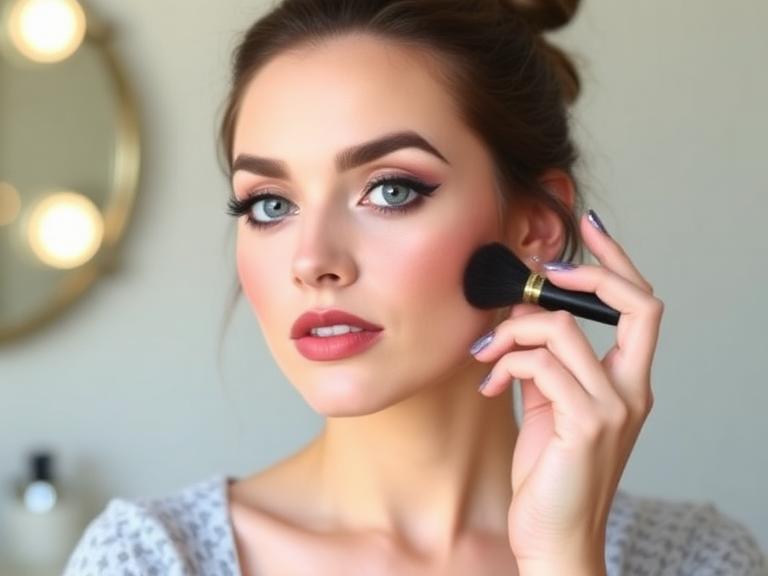
Cold weather can naturally give the cheeks some color, but cream blush can help create a healthy-looking complexion without making the skin appear overly dry.

Soft pink, rose, peach, berry, and warm mauve shades can work beautifully for winter makeup. Apply a small amount to the cheeks and blend gently with your fingers, sponge, or brush.

Cream blush can also be layered with a small amount of powder blush if you want additional color and longer wear.

Pick Winter-Friendly Lip Colors

Winter is a great season to experiment with deeper and richer lip shades. Berry, burgundy, rose, plum, and warm nude tones can complement many winter makeup looks.

However, lipstick can look uneven when applied to dry or cracked lips. Use a nourishing lip balm before applying lipstick and allow it to absorb. For a more comfortable finish, consider creamy or moisturizing lip formulas.

Try a Soft Winter Eye Makeup Look

Winter makeup doesn’t have to be dramatic. Neutral eyeshadow shades such as taupe, brown, bronze, soft gold, and muted rose can create an elegant everyday look.

For an evening appearance, deeper brown, plum, or charcoal shades can add definition without making the makeup look too heavy.

A waterproof mascara can also be useful during cold or rainy weather, especially if your eyes tend to water outdoors.

How to Keep Winter Makeup Looking Fresh

Long-lasting winter makeup is not only about the products you use. Application also makes a difference.

Avoid applying too many layers of powder, especially if your skin is dry. Instead, use powder selectively on areas that become oily, such as the T-zone.

A hydrating setting spray can also help reduce a powdery appearance and give the skin a more natural finish. Carrying a small lip balm or moisturizing lipstick can help keep your lips comfortable throughout the day.

Common Winter Makeup Mistakes to Avoid

Some makeup habits can make dry winter skin look more noticeable. Avoid applying foundation to unprepared skin, using excessive powder, or choosing extremely matte products when your skin is already dehydrated.

Another common mistake is skipping sunscreen because the weather feels cold. UV exposure can still affect your skin during winter, so SPF should remain part of your daily routine.

Best Makeup Products For Winter

Best Makeup for Winter: Quick Routine

For an easy everyday winter makeup routine:

  1. Cleanse and moisturize your skin.
  2. Apply sunscreen and allow it to absorb.
  3. Use a hydrating primer if needed.
  4. Apply a lightweight, hydrating foundation or skin tint.
  5. Add concealer only where necessary.
  6. Apply cream blush for a fresh complexion.
  7. Define your eyes with neutral eyeshadow and mascara.
  8. Finish with a moisturizing lipstick or lip tint.
  9. Use a light setting spray to help everything blend together.

Frequently Asked Questions

What is the best makeup for winter?

The best makeup for winter is generally makeup that works comfortably with your skin’s changing needs. Hydrating foundations, cream blushes, moisturizing lip products, and lightweight setting products can be useful choices, particularly for dry skin.

Is matte makeup good for winter?

Matte makeup can still be used during winter, but very matte formulas may emphasize dryness on dehydrated skin. A satin or natural finish can be a comfortable alternative for many people.

What foundation is best for dry winter skin?

A hydrating or moisturizing foundation with a natural or satin finish can be a good option for dry winter skin. Skin tints and lightweight foundations may also provide a fresh everyday appearance.

What lipstick colors are best for winter?

Berry, burgundy, plum, rose, mauve, and deeper nude shades are popular choices for winter. The best shade ultimately depends on your personal style and skin tone.

How can I stop my makeup from looking dry in winter?

Start with well-moisturized skin, choose hydrating makeup formulas, avoid excessive powder, and use a moisturizing lip product. Applying makeup in thin layers can also help create a smoother finish.

Summer Makeup Routine Tips for Long-Lasting Makeup

Summer makeup routine

Hot temperatures, humidity, sun exposure, and increased sweating can make makeup challenging during the warmer months. A well-planned summer makeup routine helps women maintain a fresh, natural appearance while preventing makeup from melting, creasing, or fading throughout the day.

The key to a successful summer makeup routine is using lightweight products, focusing on skin preparation, and choosing formulas designed to withstand heat and humidity. Whether you’re heading to work, spending a day outdoors, or attending a summer event, the right routine can help you look radiant from morning until night.

Why Your Summer Makeup Routine Should Be Different

The products that work perfectly during cooler seasons may not perform the same way in summer.

A proper summer makeup routine addresses common warm-weather concerns such as:

  • Excess oil production.
  • Increased sweating.
  • Sun exposure.
  • Makeup breakdown.
  • Dehydrated skin.
  • Enlarged pores.

By adjusting your beauty routine for the season, you can maintain a fresh complexion while improving makeup longevity.

Support your summer beauty routine with Al Rayah products.

Start With Lightweight Skincare

Every effective summer makeup routine begins with proper skincare preparation.

Heavy creams may feel uncomfortable in warm weather and can contribute to excess shine. Instead, focus on lightweight hydration that keeps skin balanced without feeling greasy.

Your skincare preparation should include:

  • Gentle cleanser.
  • Lightweight moisturizer.
  • Hydrating serum.
  • Broad-spectrum sunscreen.

Healthy, hydrated skin creates the ideal foundation for long-lasting makeup.

Never Skip Sunscreen

Sunscreen is one of the most important steps in any summer makeup routine.

Daily sun protection helps:

  • Prevent sun damage.
  • Reduce hyperpigmentation.
  • Protect collagen.
  • Minimize premature aging.
  • Maintain even skin tone.

Choose a sunscreen that works well under makeup and allows products to layer smoothly without pilling.

Many women prefer lightweight SPF formulas that provide protection while maintaining a natural finish.

Use a Lightweight Base

One of the biggest mistakes in a summer makeup routine is applying heavy foundation.

During hot weather, lightweight complexion products often perform better than full-coverage formulas.

Popular options include:

  • Skin tints.
  • BB creams.
  • CC creams.
  • Tinted moisturizers.
  • Lightweight foundations.

These products help even out skin tone while allowing the skin to breathe and look natural.

Apply Concealer Strategically

A smart summer makeup routine focuses on targeted coverage instead of applying multiple layers of foundation.

Use concealer only where necessary:

  • Under the eyes.
  • Around the nose.
  • On blemishes.
  • On areas of discoloration.

This approach creates a lighter feel while reducing the chances of makeup separating throughout the day.

Choose Cream-Based Products

Cream formulas have become essential in the modern summer makeup routine.

Cream products blend seamlessly into the skin and often create a more natural finish compared to heavy powder applications.

Popular cream products include:

  • Cream blush.
  • Cream bronzer.
  • Cream highlighter.

These formulas help create a healthy summer glow while maintaining a skin-like appearance.

Keep Eye Makeup Simple

Eye makeup should remain lightweight in a practical summer makeup routine.

Heavy eyeshadow and thick eyeliner may smudge more easily during warm weather.

Consider:

  • Neutral eyeshadow shades.
  • Waterproof mascara.
  • Soft brown eyeliner.
  • Light shimmer accents.

These choices help define the eyes without creating a heavy appearance.

Waterproof Products Make a Difference

One of the secrets of a long-lasting summer makeup routine is choosing waterproof formulas.

Products worth considering include:

  • Waterproof mascara.
  • Waterproof eyeliner.
  • Long-wear brow gel.
  • Sweat-resistant foundation.

These formulas help maintain your look during outdoor activities, beach days, and humid conditions.

Add Natural Color to the Cheeks

Blush is an important part of a fresh-looking summer makeup routine.

Summer makeup works best when it mimics a natural, healthy flush.

Popular blush shades include:

  • Soft peach.
  • Warm coral.
  • Light pink.
  • Rosy nude.

Applying blush lightly to the cheeks creates a youthful and radiant appearance.

Focus on Natural-Looking Lips

A beautiful summer makeup routine often features hydrated, natural-looking lips.

Instead of heavy matte formulas, many women prefer:

  • Lip oils.
  • Tinted lip balms.
  • Lip glosses.
  • Sheer lipsticks.

These products provide color while keeping lips comfortable and moisturized.

Control Shine Without Over-Powdering

Managing shine is an essential part of every summer makeup routine.

However, applying excessive powder can create a dry or cakey appearance.

Instead:

  • Use blotting papers.
  • Apply powder only to oily areas.
  • Focus on the T-zone.
  • Choose lightweight setting powders.

The goal is to maintain a healthy glow rather than completely eliminating natural skin radiance.

Set Makeup for All-Day Wear

A quality setting spray can significantly improve the performance of a summer makeup routine.

Benefits include:

  • Longer wear time.
  • Reduced makeup transfer.
  • Better resistance to humidity.
  • Improved overall finish.

A few sprays at the end of your routine can help keep your makeup looking fresh throughout the day.

Summer Makeup Routine for Different Skin Types

Every woman’s skin responds differently to summer weather.

Oily Skin

A summer makeup routine for oily skin should prioritize:

  • Oil-free skincare.
  • Lightweight foundations.
  • Mattifying primers.
  • Setting powder.

Dry Skin

Dry skin benefits from:

  • Hydrating primers.
  • Cream products.
  • Moisturizing foundations.
  • Dewy finishes.

Combination Skin

Combination skin often requires:

  • Lightweight hydration.
  • Strategic powder placement.
  • Flexible coverage products.

Customizing your routine according to your skin type improves both comfort and makeup performance.

Common Summer Makeup Mistakes

Even the best summer makeup routine can be affected by common mistakes.

Avoid:

  • Using heavy foundation.
  • Skipping sunscreen.
  • Applying too much powder.
  • Choosing non-waterproof mascara.
  • Neglecting skin hydration.

Small adjustments can make a noticeable difference in the final result.

Frequently Asked Questions

What is the best summer makeup routine?

The best summer makeup routine includes lightweight skincare, sunscreen, a breathable base, waterproof products, cream blush, and setting spray for long-lasting wear.

How can I make my summer makeup routine last longer?

Use lightweight products, apply primer when needed, choose waterproof formulas, and finish with a setting spray.

Should I wear foundation in a summer makeup routine?

Yes, but lightweight foundations, skin tints, and tinted moisturizers are often more comfortable during hot weather.

Is powder necessary in a summer makeup routine?

Powder can be helpful for controlling shine, but it should be applied sparingly to avoid a cakey appearance.

What products are essential for a summer makeup routine?

Sunscreen, lightweight foundation, concealer, waterproof mascara, cream blush, lip balm, and setting spray are among the most important products.

How to Build the Perfect Skincare in Your 20s Routine

Skincare in your 20s

Your twenties are one of the most important decades for building healthy skincare habits. Many women focus on treating skin problems only when they appear, but the truth is that proper skincare in your 20s can help maintain healthy, radiant skin for years to come.

This is the stage when your skin is still producing collagen efficiently, recovering quickly from environmental damage, and maintaining natural elasticity. However, daily exposure to UV rays, pollution, stress, and poor skincare choices can gradually affect your skin’s appearance.

Understanding the essentials of skincare in your 20s allows you to create a routine that supports long-term skin health rather than simply reacting to future concerns.

Why Skincare in Your 20s Matters

Many women assume anti-aging skincare should begin in their thirties or forties. However, dermatologists often emphasize that preventive care starts much earlier.

A consistent approach to skincare in your 20s can help:

  • Protect collagen production.
  • Prevent premature aging.
  • Reduce sun damage.
  • Minimize acne breakouts.
  • Improve skin hydration.
  • Support a healthy skin barrier.

The habits you build today often influence how your skin looks in the future.

Start your skincare journey today with products designed for healthy glowing skin.

Understand Your Skin Type

Before creating a routine, successful skincare in your 20s starts with understanding your skin type.

Common skin types include:

  • Oily skin.
  • Dry skin.
  • Combination skin.
  • Sensitive skin.
  • Normal skin.

Using products designed for your specific skin type helps maximize results while reducing irritation and unnecessary product use.

Daily Cleansing Is Essential

One of the most important steps in skincare in your 20s is proper cleansing.

Throughout the day, your skin collects:

  • Oil.
  • Sweat.
  • Makeup.
  • Sunscreen.
  • Environmental pollutants.

A gentle cleanser removes impurities without stripping the skin of its natural moisture.

Most women benefit from cleansing twice daily:

  • Morning cleansing to refresh the skin.
  • Evening cleansing to remove buildup and makeup.

Avoid harsh cleansers that leave the skin feeling tight or overly dry.

Never Skip Sunscreen

If there is one rule every dermatologist recommends for skincare in your 20s, it is daily sunscreen use.

Ultraviolet radiation is one of the leading causes of:

  • Premature wrinkles.
  • Hyperpigmentation.
  • Uneven skin tone.
  • Loss of elasticity.
  • Sunspots.

Choose a broad-spectrum sunscreen with SPF 30 or higher and apply it every morning, even on cloudy days.

Consistent sunscreen use is one of the most effective long-term investments in healthy skin.

Focus on Hydration

Hydration plays a major role in effective skincare in your 20s.

Well-hydrated skin often appears:

  • Smoother.
  • Brighter.
  • More elastic.
  • Healthier.

Look for ingredients such as:

  • Hyaluronic acid.
  • Glycerin.
  • Ceramides.
  • Aloe vera.

These ingredients help attract and retain moisture while supporting the skin barrier.

Add Antioxidants to Your Routine

One of the smartest upgrades to skincare in your 20s is incorporating antioxidants.

Environmental stressors such as pollution and UV exposure can generate free radicals that contribute to visible skin damage over time.

Popular antioxidant ingredients include:

  • Vitamin C.
  • Vitamin E.
  • Green tea extract.
  • Niacinamide.

Vitamin C is particularly popular because it helps brighten the complexion and supports collagen production.

Manage Acne the Right Way

Acne remains one of the most common concerns associated with skincare in your 20s.

Hormonal fluctuations, stress, diet, and genetics can all contribute to breakouts.

Helpful acne-fighting ingredients include:

  • Salicylic acid.
  • Benzoyl peroxide.
  • Niacinamide.
  • Azelaic acid.

Rather than overusing multiple active ingredients, focus on a balanced routine that treats acne without damaging the skin barrier.

Don’t Overuse Active Ingredients

Many women become interested in advanced products while exploring skincare in your 20s.

However, using too many active ingredients simultaneously can cause:

  • Irritation.
  • Dryness.
  • Redness.
  • Increased sensitivity.

Instead of using multiple acids and treatments at once, gradually introduce new products and monitor how your skin responds.

Consistency is often more effective than complexity.

Support Skin Health Through Nutrition

Healthy skin starts from within, making nutrition an important part of skincare in your 20s.

Nutrients that support skin health include:

  • Vitamin C.
  • Vitamin E.
  • Omega-3 fatty acids.
  • Zinc.
  • Antioxidants.

Excellent food choices include:

  • Fatty fish.
  • Berries.
  • Leafy greens.
  • Nuts and seeds.
  • Avocados.

A balanced diet helps support healthy skin function while complementing your skincare routine.

Prioritize Sleep and Stress Management

Lifestyle habits significantly affect skincare in your 20s.

Poor sleep and chronic stress may contribute to:

  • Dull skin.
  • Breakouts.
  • Increased inflammation.
  • Dark circles.
  • Reduced skin recovery.

Aim for:

  • Seven to nine hours of sleep.
  • Regular exercise.
  • Relaxation techniques.
  • Stress management practices.

Healthy lifestyle habits often produce visible improvements in skin appearance.

Consider Preventive Treatments Carefully

As women become more interested in aesthetics, preventive treatments are increasingly discussed in conversations about skincare in your 20s.

Some women explore:

  • Professional facials.
  • Hydrating treatments.
  • Skin boosters.
  • Chemical peels.

These treatments may complement a strong skincare routine when performed by qualified professionals and tailored to individual skin needs.

The focus should always remain on maintaining healthy skin rather than pursuing unnecessary procedures.

Build a Simple Morning Routine

A practical morning skincare in your 20s routine may include:

  1. Gentle cleanser.
  2. Antioxidant serum.
  3. Moisturizer.
  4. Sunscreen.

This simple routine provides protection against daily environmental stressors while supporting healthy skin function.

Create an Effective Evening Routine

Your nighttime skincare in your 20s routine should focus on recovery and hydration.

Recommended steps include:

  1. Cleanser.
  2. Treatment serum if needed.
  3. Moisturizer.
  4. Hydrating products.

Nighttime is when the skin naturally repairs itself, making consistent evening care especially important.

Frequently Asked Questions

What is the most important step in skincare in your 20s?

The most important part of skincare in your 20s is daily sunscreen use because it helps protect against premature aging and sun damage.

Should I use anti-aging products in my 20s?

Preventive skincare is beneficial. Gentle antioxidants, sunscreen, and hydration are often more important than aggressive anti-aging treatments.

Is retinol necessary for skincare in your 20s?

Not everyone needs retinol in their twenties. It may be helpful for acne or preventive aging concerns, but it should be introduced gradually.

How often should I exfoliate in my 20s?

Most women benefit from exfoliating one to three times per week depending on their skin type and product strength.

What ingredients should I prioritize in skincare in your 20s?

Focus on sunscreen, vitamin C, hyaluronic acid, niacinamide, ceramides, and ingredients that support hydration and skin barrier health.

Minimal Makeup Routine With Only Essential Products

Minimal makeup routine

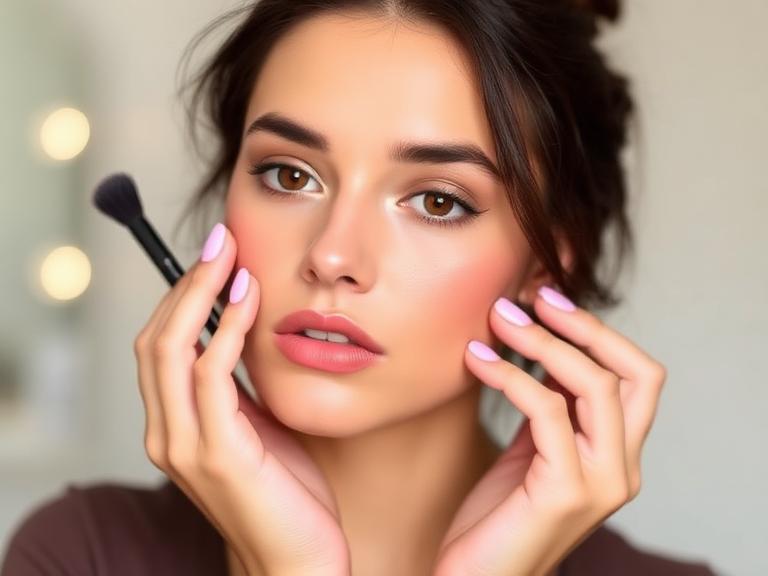
Busy mornings, long workdays, and the desire for naturally beautiful skin have made the minimal makeup routine one of the biggest beauty trends among women. Instead of spending an hour applying multiple products, many women are choosing a more effortless approach that enhances their natural features while keeping their skin looking fresh and healthy.

A well-planned minimal makeup routine saves time, reduces product buildup, and creates a polished appearance suitable for work, school, social events, and everyday life.

Why Women Love a Minimal Makeup Routine

The popularity of the minimal makeup routine continues to grow because it focuses on simplicity without sacrificing beauty.

Women are increasingly looking for ways to:

  • Reduce the number of products they use.
  • Achieve a natural appearance.
  • Allow their skin to breathe.
  • Save money on makeup.
  • Spend less time getting ready.

The goal is not to hide your features but to enhance them subtly and confidently.

Complete your minimal makeup routine with skincare that creates the perfect glow

Start With Healthy Skin

Every successful minimal makeup routine begins with skincare. Makeup looks best when applied to healthy, hydrated skin.

Before applying any makeup:

  • Cleanse your face gently.
  • Apply a lightweight moisturizer.
  • Use sunscreen daily.
  • Add a hydrating serum if needed.

When your skin is properly prepared, you need fewer makeup products to achieve a flawless appearance.

Choose a Lightweight Base

The foundation of a good minimal makeup routine is lightweight coverage that evens out the skin tone without looking heavy.

Instead of full-coverage foundation, consider:

  • Tinted moisturizer.
  • BB cream.
  • CC cream.
  • Skin tint products.

These products provide a natural finish while allowing your skin’s texture to remain visible.

Many women find that less coverage actually creates a younger and fresher look.

Minimal makeup routine

Use Concealer Only Where Needed

One of the secrets of an effective minimal makeup routine is strategic concealer application.

Rather than covering the entire face, apply concealer only to areas that need extra attention:

  • Under-eye circles.
  • Small blemishes.
  • Redness around the nose.
  • Dark spots.

This technique creates a more natural appearance while reducing the amount of makeup on the skin.

Add Soft Definition to the Brows

Well-groomed brows can transform your face with minimal effort.

A balanced minimal makeup routine often includes:

  • Brow gel.
  • Brow pencil.
  • Brow powder.

Focus on filling sparse areas rather than creating dramatic shapes. Natural-looking brows frame the face beautifully and reduce the need for heavier eye makeup.

Enhance the Eyes Naturally

Eye makeup in a minimal makeup routine should enhance rather than overpower your features.

Simple options include:

  • A neutral eyeshadow.
  • A single coat of mascara.
  • Soft brown eyeliner.
  • Lash lifting mascara.

These subtle enhancements make the eyes appear brighter and more awake without creating a heavy makeup look.

Add a Natural Flush to the Cheeks

Blush is one of the most important products in a minimal makeup routine because it instantly brings life and freshness to the complexion.

Popular blush options include:

  • Cream blush.
  • Liquid blush.
  • Soft powder blush.

Choose shades that mimic your natural flush, such as soft pink, peach, or rose tones.

Applying blush lightly helps create a youthful and healthy appearance.

Highlight Without Looking Shiny

A carefully applied highlighter can elevate a minimal makeup routine while maintaining a natural finish.

Focus on small areas:

  • Cheekbones.
  • Brow bone.
  • Inner corners of the eyes.
  • Cupid’s bow.

A subtle glow enhances the skin without appearing overly glittery or artificial.

Choose Natural Lip Colors

Lips play a major role in completing a minimal makeup routine.

Instead of bold colors, consider:

  • Tinted lip balm.
  • Nude lipstick.
  • Soft pink gloss.
  • Lip oils.

These products provide hydration while enhancing the natural color of your lips.

The result is a polished appearance that feels effortless.

Products Every Minimal Makeup Routine Needs

You don’t need dozens of products to create a beautiful look.

A basic minimal makeup routine may include:

  • Moisturizer.
  • Sunscreen.
  • Tinted moisturizer.
  • Concealer.
  • Brow gel.
  • Mascara.
  • Cream blush.
  • Lip balm.

With just a few carefully selected products, you can achieve a fresh and confident appearance every day.

Common Minimal Makeup Mistakes

Even a simple minimal makeup routine can become ineffective when certain mistakes occur.

Avoid:

  • Applying too much foundation.
  • Overdrawing brows.
  • Using heavy contour products.
  • Choosing overly matte formulas.
  • Skipping skincare preparation.

The purpose of minimal makeup is to create balance and enhance natural beauty.

How Minimal Makeup Supports Healthy Skin

Another advantage of following a minimal makeup routine is that it often places less stress on the skin.

Benefits may include:

  • Reduced pore congestion.
  • Easier makeup removal.
  • Less product buildup.
  • More comfortable wear throughout the day.
  • Greater focus on skincare.

Many women discover that simplifying their makeup routine helps them appreciate and care for their natural skin more effectively.

Frequently Asked Questions

What is a minimal makeup routine?

A minimal makeup routine uses a small number of products to enhance natural features while maintaining a fresh and effortless appearance.

How many products are needed for a minimal makeup routine?

Most women can create a complete minimal makeup routine using six to eight essential products, including moisturizer, concealer, mascara, blush, and lip balm.

Is a minimal makeup routine suitable for mature skin?

Yes. A minimal makeup routine often works especially well for mature skin because lightweight products help avoid emphasizing fine lines and texture.

Can a minimal makeup routine work for special occasions?

Absolutely. You can build upon a minimal makeup routine by adding slightly more definition to the eyes or lips while maintaining a natural look.

What is the biggest benefit of a minimal makeup routine?

The biggest advantage of a minimal makeup routine is achieving a polished appearance while saving time and allowing natural beauty to shine through.

Foods for Healthy Skin: 10 Science-Backed Foods for Radiant Skin

Foods for healthy skin

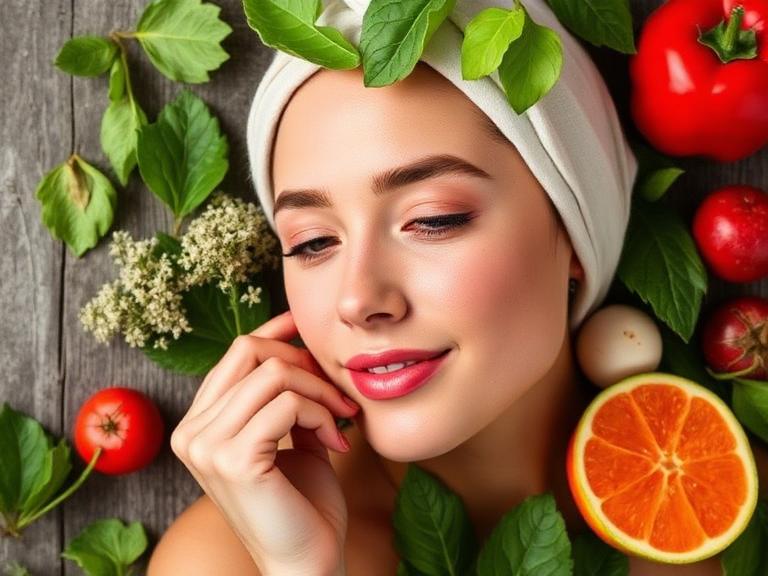
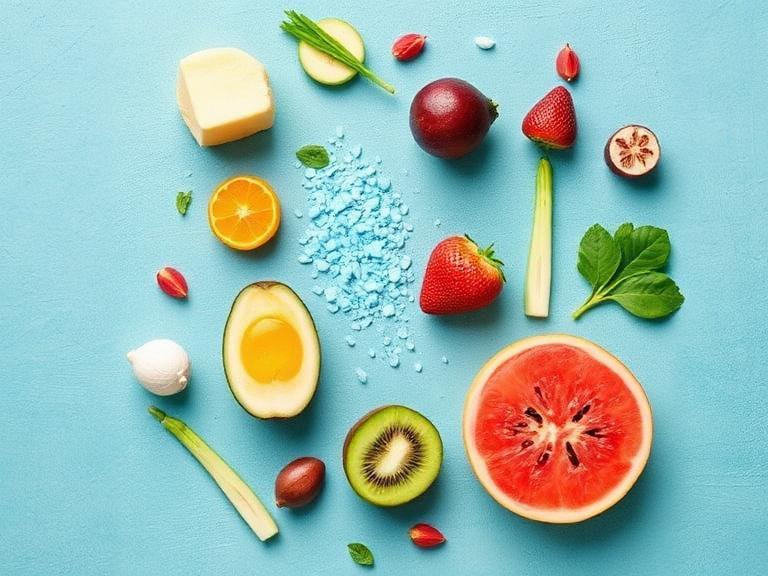
Your skin reflects what happens inside your body. While skincare products can support hydration and protection, research consistently shows that certain nutrients found in everyday foods play an important role in maintaining healthy skin. Choosing the right foods for healthy skin can help support collagen production, protect against oxidative stress, reduce inflammation, and maintain skin hydration.

Transform your skincare routine with products made for radiant beauty

Fatty Fish Rich in Omega-3

Fatty fish such as salmon, sardines, mackerel, and herring are among the most recommended foods for healthy skin because they provide omega-3 fatty acids EPA and DHA.

Omega-3 fatty acids help support the skin barrier, which is essential for retaining moisture and reducing dryness. Studies also suggest that omega-3s may help reduce inflammation that contributes to skin concerns such as redness and irritation.

Women looking to improve skin hydration should consider consuming fatty fish at least two times per week as part of a balanced diet.

Benefits

  • Supports skin hydration
  • Helps maintain skin elasticity
  • Contributes to a stronger skin barrier
  • May reduce inflammatory skin issues

Avocados and Healthy Fats

Avocados are nutrient-dense foods for healthy skin that provide monounsaturated fats along with vitamins E and C.

Healthy fats help keep skin flexible and moisturized. Vitamin E acts as an antioxidant that helps protect skin cells from oxidative stress, while vitamin C contributes to collagen synthesis. Combining these nutrients makes avocados an excellent addition to a skin-friendly diet.

Benefits

  • Supports moisture retention
  • Provides antioxidant protection
  • Helps maintain smooth skin texture
  • Supports collagen production

Tomatoes and Lycopene

Tomatoes are powerful foods for healthy skin because they contain lycopene, a carotenoid antioxidant associated with skin protection.

Lycopene may help protect the skin from environmental stressors and oxidative damage. Research suggests that carotenoid-rich foods can support overall skin appearance when consumed regularly. Cooked tomatoes often provide more bioavailable lycopene than raw tomatoes.

Benefits

  • Rich in antioxidants
  • Supports skin defense mechanisms
  • Helps combat free radical damage
  • Promotes a healthier complexion
best Foods for healthy skin

Citrus Fruits Packed With Vitamin C

Oranges, grapefruits, lemons, and other citrus fruits are classic foods for healthy skin because they provide significant amounts of vitamin C.

Vitamin C plays a critical role in collagen formation, one of the structural proteins responsible for skin firmness. It also functions as a powerful antioxidant that helps neutralize free radicals.

Benefits

  • Supports collagen production
  • Helps maintain skin firmness
  • Provides antioxidant protection
  • Supports wound healing

Berries Loaded With Antioxidants

Blueberries, strawberries, raspberries, and blackberries are excellent foods for healthy skin due to their high antioxidant content.

These fruits contain vitamin C, polyphenols, and other protective compounds that help reduce oxidative stress. Antioxidants help protect skin cells from environmental damage and may contribute to a more youthful appearance.

Benefits

  • High antioxidant content
  • Supports skin repair
  • Helps reduce oxidative damage
  • Contributes to skin brightness

Leafy Green Vegetables

Spinach, kale, Swiss chard, and other leafy greens are nutrient-rich foods for healthy skin that provide vitamins A, C, and K.

Vitamin A supports normal skin cell turnover, while vitamin C supports collagen formation. These vegetables also contain antioxidants that help protect the skin from daily environmental stressors.

Benefits

  • Supports skin renewal
  • Provides multiple vitamins
  • Helps maintain healthy skin cells
  • Promotes overall skin vitality

Nuts and Seeds

Almonds, walnuts, flaxseeds, and chia seeds are valuable foods for healthy skin because they contain healthy fats, vitamin E, and plant-based omega-3 fatty acids.

Walnuts are particularly notable because they contain alpha-linolenic acid (ALA), a plant form of omega-3. Vitamin E found in nuts helps protect skin from oxidative damage and supports healthy skin function.

Benefits

  • Supports skin barrier health
  • Provides essential fatty acids
  • Delivers antioxidant protection
  • Helps maintain hydration

Sweet Potatoes and Beta-Carotene

Sweet potatoes are among the best foods for healthy skin because they are rich in beta-carotene, which the body converts into vitamin A.

Beta-carotene acts as an antioxidant and supports normal skin function. Research suggests that carotenoid-rich foods contribute to healthy skin appearance and may help protect against environmental stress.

Benefits

  • Rich in vitamin A precursors
  • Supports healthy skin cells
  • Provides antioxidant benefits
  • Promotes natural skin glow

Green Tea and Polyphenols

Green tea deserves a place among the top foods for healthy skin because it contains polyphenols and catechins with antioxidant properties.

Scientific evidence suggests that these compounds may help reduce oxidative stress and support skin health when consumed regularly as part of a balanced diet.

Benefits

  • Rich in antioxidants
  • Supports healthy aging
  • Helps fight free radicals
  • Complements a skin-friendly diet

Extra Virgin Olive Oil

Extra virgin olive oil is one of the Mediterranean diet’s most celebrated foods for healthy skin due to its healthy monounsaturated fats and antioxidant compounds.

Research associates healthy fat consumption with improved skin hydration and support for the skin barrier. Olive oil provides nutrients that help maintain soft, healthy-looking skin.

Benefits

  • Supports skin hydration
  • Provides healthy fats
  • Contains antioxidant compounds
  • Supports overall skin health

Frequently Asked Questions

What are the best foods for healthy skin?

The best foods for healthy skin include fatty fish, avocados, tomatoes, citrus fruits, berries, leafy greens, nuts, seeds, sweet potatoes, green tea, and olive oil. These foods provide antioxidants, healthy fats, and vitamins that support skin health.

Can foods improve skin appearance?

A balanced diet rich in foods for healthy skin may support hydration, collagen production, and protection from oxidative stress, which can contribute to healthier-looking skin.

Which vitamin is most important for skin health?

Several vitamins are important, but vitamin C is especially significant because it contributes to collagen formation and antioxidant protection.

How long does it take to see results from foods for healthy skin?

Skin improvements vary between individuals. Consistent healthy eating habits over several weeks or months are generally required before noticeable changes occur.

Are supplements better than foods for healthy skin?

Most health organizations recommend obtaining nutrients primarily through whole foods whenever possible because foods provide a combination of beneficial nutrients that supplements cannot fully replicate.

Self-Care Routine for Women: Simple Habits for a Healthier Life

Self-care routine for women

Why Every Woman Needs a Self-Care Routine

A consistent self-care routine for women is no longer a luxury. Modern women often balance work, family responsibilities, social commitments, and personal goals, leaving little time to focus on themselves. Neglecting personal well-being can lead to stress, fatigue, skin concerns, and reduced confidence.

Creating a practical self-care routine for women helps improve physical health, emotional balance, and overall quality of life. Small daily habits can make a significant difference in how you feel and look.

Start Your Morning With Intention

The way you begin your day can influence your mood and productivity.

A healthy self-care routine for women should start with simple morning practices that energize both the body and mind.

Consider adding these habits to your morning:

  • Drink a glass of water after waking up.
  • Stretch for five to ten minutes.
  • Practice gratitude.
  • Avoid checking social media immediately.
  • Eat a nutritious breakfast.

These simple actions help create a positive mindset and prepare you for a successful day.

Give your skin the care it deserves shop Rayah’s premium skincare collection today

Prioritize Skincare Every Day

Healthy skin reflects healthy habits. A complete self-care routine for women should include skincare practices that support long-term skin health and confidence.

Your daily skincare routine may include:

  • Gentle cleansing.
  • Hydrating toner.
  • Vitamin-rich serum.
  • Moisturizer suitable for your skin type.
  • Sunscreen with SPF protection.

Consistency matters more than complexity. Investing a few minutes every day can help maintain glowing and youthful-looking skin.

Nourish Your Body With Healthy Foods

Nutrition plays a major role in every effective self-care routine for women. What you eat affects your energy levels, skin appearance, mood, and overall wellness.

Focus on foods rich in:

  • Antioxidants.
  • Healthy fats.
  • Lean proteins.
  • Vitamins and minerals.
  • Fiber.

Excellent choices include berries, leafy greens, salmon, avocados, nuts, seeds, and whole grains.

Limiting processed foods and excessive sugar can also contribute to healthier skin and improved energy throughout the day.

Make Time for Physical Activity

Exercise is one of the most powerful elements of a successful self-care routine for women. Physical activity supports cardiovascular health, improves mood, and reduces stress.

You don’t need intense workouts every day. Choose activities you enjoy:

  • Walking.
  • Yoga.
  • Pilates.
  • Dancing.
  • Cycling.
  • Strength training.

Even 30 minutes of movement daily can provide lasting physical and mental benefits.

Support Your Mental Well-Being

Mental wellness deserves equal attention in any self-care routine for women. Stress management is essential for maintaining emotional balance and preventing burnout.

Helpful mental wellness practices include:

  • Journaling.
  • Meditation.
  • Deep breathing exercises.
  • Reading.
  • Listening to relaxing music.
  • Spending time in nature.

Taking breaks during busy days can help restore focus and improve emotional resilience.

Create a Relaxing Evening Ritual

A calming evening routine can improve sleep quality and support recovery. Every balanced self-care routine for women should include habits that help the body transition into rest mode.

Try these evening self-care activities:

  • Remove makeup thoroughly.
  • Apply nourishing skincare products.
  • Reduce screen time before bed.
  • Enjoy herbal tea.
  • Practice light stretching.
  • Read a book.

These habits encourage relaxation and prepare your body for restorative sleep.

Build Confidence Through Self-Care

One of the most rewarding benefits of a consistent self-care routine for women is increased self-confidence. When women take care of their physical and emotional needs, they often feel more empowered and comfortable in their own skin.

Confidence-building habits may include:

  • Setting personal goals.
  • Celebrating small achievements.
  • Wearing clothes that make you feel good.
  • Maintaining healthy boundaries.
  • Investing in personal growth.

Self-care is not selfish. It is an investment in your well-being and future happiness.

Beauty Habits That Complement Self-Care

Beauty and wellness often go hand in hand. A complete self-care routine for women may also include beauty rituals that enhance confidence and self-expression.

Popular beauty habits include:

  • Weekly face masks.
  • Hair treatments.
  • Gentle exfoliation.
  • Hydrating skincare products.
  • Quality makeup products.

Choosing beauty products that support healthy skin can help women look refreshed while maintaining a natural glow.

Stay Consistent With Small Daily Actions

The most effective self-care routine for women is one that can be maintained consistently. Many women abandon routines because they try to change too much at once.

Instead, focus on small habits such as:

  • Drinking more water.
  • Walking daily.
  • Following a skincare routine.
  • Prioritizing sleep.
  • Taking regular mental breaks.

Over time, these simple actions can create meaningful improvements in health, happiness, and confidence.

Frequently Asked Questions

What is the best self-care routine for women?

The best self-care routine for women includes healthy eating, regular exercise, quality sleep, skincare, stress management, and time for personal enjoyment.

How often should women practice self-care?

Self-care should be practiced daily through small habits that support physical, emotional, and mental well-being.

Can self-care improve skin health?

Yes. A consistent self-care routine for women that includes hydration, healthy nutrition, quality sleep, and skincare can contribute to healthier-looking skin.

Why is self-care important for busy women?

Self-care helps reduce stress, improve energy levels, support emotional health, and increase productivity.

What are simple self-care activities women can start today?

Drinking water, taking a walk, applying skincare products, practicing gratitude, and getting enough sleep are excellent starting points.

anti wrinkle skincare routine for aging skin

anti wrinkle skincare

anti wrinkle skincare and its role in reducing signs of aging

anti wrinkle skincare refers to skincare routines and products specifically formulated to reduce fine lines, wrinkles, and visible signs of aging. These products focus on improving skin elasticity, hydration, and overall texture. Regular use of anti wrinkle skincare helps the skin look smoother, firmer, and more youthful over time.

How anti wrinkle skincare works on the skin

anti wrinkle skincare works by targeting the main causes of wrinkles, such as collagen loss, dryness, and environmental damage. Some products act on the surface to smooth fine lines and improve texture, while others penetrate deeper layers of the skin to stimulate collagen and elastin production. This dual action makes anti wrinkle skincare effective in gradually improving skin appearance.

Key ingredients in anti wrinkle skincare

Most anti wrinkle skincare products contain powerful ingredients such as retinol, which boosts cell turnover, hyaluronic acid, which deeply hydrates the skin, and peptides, which support collagen production. Antioxidants are also commonly included in anti wrinkle skincare to protect the skin from free radical damage and premature aging.

Benefits of anti wrinkle skincare

The main benefit of anti wrinkle skincare is reducing the appearance of fine lines and wrinkles with consistent use. It also improves skin firmness, enhances elasticity, and promotes a more even and youthful complexion. Over time, anti wrinkle skincare helps restore a healthier and more radiant skin appearance.

anti wrinkle skincare vs cosmetic procedures

Unlike cosmetic procedures such as fillers or Botox, anti wrinkle skincare focuses on gradual, non-invasive improvement. It does not provide instant results but offers long-term skin health benefits, making it ideal for those who prefer natural and progressive anti-aging solutions.

Rayah and advanced skincare solutions

Rayah provides advanced skincare solutions that align with anti wrinkle skincare, offering products designed to improve skin quality, reduce visible aging signs, and support long-term skin health. These solutions focus on hydration, repair, and rejuvenation for healthier-looking skin.

Who should use anti wrinkle skincare

anti wrinkle skincare is suitable for individuals who are starting to notice fine lines or early signs of aging, as well as those who want to prevent wrinkles before they appear. It can be introduced as early as the mid-20s for preventive care.

Q&A Section

When should I start using anti wrinkle skincare?
It is recommended to start using anti wrinkle skincare in your mid-20s to early 30s as a preventive step against aging.

Can anti wrinkle skincare remove wrinkles completely?
No, anti wrinkle skincare cannot completely remove wrinkles, but it can significantly reduce their appearance and improve skin smoothness.

How long does anti wrinkle skincare take to work?
Visible results from anti wrinkle skincare usually appear within 4 to 8 weeks of consistent use.

Best brightening skincare products for glowing skin

brightening skincare products

brightening skincare products and their role in improving skin radiance

brightening skincare products are formulated to enhance skin radiance, even out skin tone, and reduce dullness. These products focus on improving the overall appearance of the skin rather than changing its natural color. Regular use of brightening skincare products helps achieve a more luminous, refreshed, and healthy-looking complexion.

How brightening skincare products work

brightening skincare products work by targeting excess melanin production, which is responsible for dark spots and uneven skin tone. By regulating melanin activity and supporting skin cell turnover, these products help fade pigmentation and reveal brighter, more even skin over time. This process also improves overall skin texture and smoothness.

Key ingredients in brightening skincare products

Most brightening skincare products contain powerful ingredients such as vitamin C, which boosts radiance and protects against oxidative stress, niacinamide, which helps even skin tone and reduce discoloration, and kojic acid, which targets dark spots. Some brightening skincare products also include exfoliating acids like AHAs to remove dead skin cells and enhance glow.

Benefits of brightening skincare products

The main benefit of brightening skincare products is improving dull and tired-looking skin. They help reduce dark spots, acne marks, and uneven pigmentation, resulting in a more balanced complexion. In addition, brightening skincare products improve skin texture, making it smoother, softer, and more radiant with consistent use.

Brightening skincare products vs skin whitening products

Unlike strong whitening treatments, brightening skincare products focus on enhancing natural glow rather than changing the skin’s original tone. This makes them safer for daily use and suitable for all skin types. The goal of brightening skincare products is healthy, glowing skin rather than artificial lightening.

Rayah and advanced skincare solutions

Rayah offers a range of advanced skincare solutions that align with brightening skincare products, focusing on improving skin clarity, hydration, and radiance. These products are designed to help users achieve a naturally glowing complexion through safe and effective formulations.

Who should use brightening skincare products

brightening skincare products are ideal for individuals dealing with dull skin, uneven tone, pigmentation, or post-acne marks. They are also suitable for anyone looking to enhance their skin’s natural glow and maintain a healthy appearance.

Q&A Section

How long do brightening skincare products take to work?
Most brightening skincare products start showing visible results within 3 to 6 weeks of consistent use.

Can brightening skincare products be used daily?
Yes, most brightening skincare products are designed for daily use as part of a regular skincare routine.

Are brightening skincare products suitable for all skin types?
Yes, brightening skincare products can be used on all skin types when the right formulation is chosen.