Dehydrated vs Dry Skin
Many people use the terms interchangeably, yet they describe two completely different skin concerns. Understanding the distinction is essential for choosing effective skincare products and treatments.
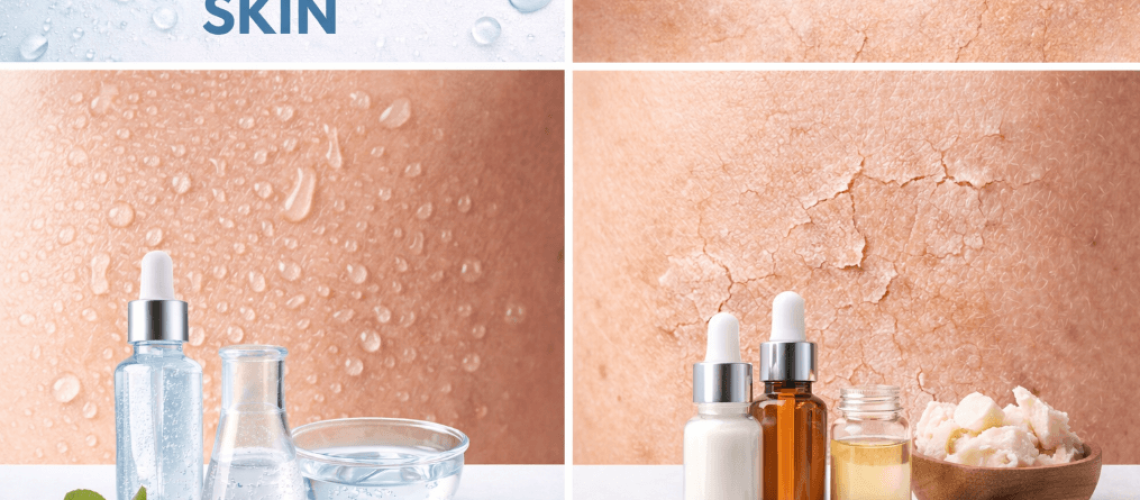
Dry skin is a skin type, while dehydrated skin is a temporary condition related to water loss.
What Is Dry Skin?
Dry skin lacks oil (sebum). It is genetically determined and usually persistent throughout life.
Characteristics of Dry Skin
-
Flaky or rough texture
-
Visible scaling
-
Tightness year-round
-
Fine lines due to lipid deficiency
-
Dull tone
Sebum plays a protective role. When levels are low, the barrier weakens, leading to moisture escape.
What Is Dehydrated Skin?
Dehydrated skin lacks water, not oil. It can affect all skin types — including oily and acne-prone skin.
Common Signs
-
Tightness after cleansing
-
Dull or tired appearance
-
Fine dehydration lines
-
Increased sensitivity
-
Overproduction of oil
Skin may appear shiny yet feel tight — a classic dehydration indicator.
Dehydrated vs Dry Skin: Core Differences
| Factor | Dehydrated Skin | Dry Skin |
|---|---|---|
| Lacks | Water | Oil |
| Type or Condition | Condition | Skin type |
| Can Affect Oily Skin | Yes | No |
| Appearance | Dull, tight | Flaky, rough |
| Main Need | Hydration | Lipid nourishment |
Causes of Dehydrated Skin
Multiple internal and external factors contribute to water loss.
Lifestyle triggers:
-
Low water intake
-
Excess caffeine
-
Alcohol consumption
-
Poor diet
Environmental triggers:
-
Air conditioning
-
Cold weather
-
Sun exposure
-
Pollution
Skincare mistakes:
-
Over-exfoliation
-
Harsh cleansers
-
Skipping moisturizer
Causes of Dry Skin
Dry skin is primarily genetic but can worsen due to:
-
Aging (reduced sebum)
-
Hormonal changes
-
Harsh soaps
-
Long hot showers
Barrier lipid depletion is the central issue.
Ingredient Needs: Hydration vs Nourishment
Best for Dehydrated Skin
Focus on humectants that bind water.
Top ingredients:
-
Hyaluronic acid
-
Glycerin
-
Polyglutamic acid
-
Aloe vera
-
Panthenol
These restore water balance and improve plumpness.
Best for Dry Skin
Dry skin requires lipids and barrier repair.
Key ingredients:
-
Ceramides
-
Shea butter
-
Squalane
-
Fatty acids
-
Cholesterol
They rebuild the protective barrier and prevent water loss.
Texture & Pore Behavior
Dehydrated skin:
-
Pores appear more visible
-
Skin looks crepey when pinched
-
Makeup cracks easily
Dry skin:
-
Pores usually small
-
Texture feels rough
-
Foundation clings to flakes
Treatment Approaches
For Dehydrated Skin
-
Layer hydrating toners
-
Use HA serums on damp skin
-
Add skin boosters if severe
-
Limit exfoliation
For Dry Skin
-
Use cream cleansers
-
Apply ceramide moisturizers
-
Incorporate facial oils
-
Avoid foaming products
Can You Have Both?
Yes — combination cases exist.
Skin may lack oil and water simultaneously, especially with aging or barrier damage.
Treatment strategy:
-
Hydrate first (humectants)
-
Seal second (lipids)
Layering both is essential.
Q&A About dehydrated-vs-dry-skin
Q1: How can I test if my skin is dehydrated?
Pinch the skin gently. If fine lines appear instantly, dehydration is likely.
Q2: Is oily skin ever dehydrated?
Yes. Oil overproduction often compensates for water loss.
Q3: Which is easier to treat?
Dehydration is usually faster to improve with proper hydration products.
Q4: Do I need different moisturizers for each?
Yes. Dehydrated skin needs water-binding formulas; dry skin needs lipid-rich creams.
Q5: Can weather cause both conditions?
Cold or dry climates can worsen dryness and trigger dehydration simultaneously.