
Best Foundation for Dry Skin in Winter
Winter weather can leave your skin feeling tight, rough, and flaky, making foundation harder to apply smoothly. Choosing the best foundation for dry skin can help you achieve a natural, hydrated finish without emphasizing dry patches or fine lines.
The key is to look for moisturizing ingredients, lightweight textures, and formulas that support your skin’s natural moisture barrier.
Why Does Skin Become Drier in Winter?
Cold temperatures, low humidity, indoor heating, and hot showers can reduce moisture levels in your skin. As a result, your complexion may become dehydrated, rough, or visibly flaky.
These conditions can also affect how makeup looks throughout the day. Traditional matte foundations may settle into dry areas, highlight uneven texture, and create a cakey appearance.
Choosing a hydrating formula and preparing your skin properly can make a noticeable difference in your winter makeup routine.
Best Foundation Types for Dry Skin
Not all foundations provide the same level of hydration. Understanding different formulas can help you find the right option for your skin type.
1. Hydrating Liquid Foundation
Liquid foundations with moisturizing ingredients are often a great choice for dry skin. They spread easily, blend smoothly, and provide a comfortable finish.
Look for formulas containing:
- Hyaluronic acid to attract and retain moisture.
- Glycerin to help keep skin hydrated.
- Ceramides to support the skin barrier.
- Squalane to soften and condition the skin.
A hydrating foundation can help minimize the appearance of dry patches while giving your complexion a fresh, natural look.
2. Serum Foundation
Serum foundations combine lightweight coverage with skincare-inspired ingredients. Their fluid consistency makes them easy to blend without creating a heavy makeup layer.
They are particularly suitable for people who prefer a natural finish rather than full-coverage makeup.
3. Cream Foundation
Cream foundations typically offer richer textures and buildable coverage. They can work well for dry skin, especially when you want to cover redness, discoloration, or uneven skin tone.
However, choose a formula that blends easily and does not feel excessively thick.
4. Dewy Foundation
Dewy foundations create a radiant finish that can make dry skin appear healthier and more refreshed.
They are a good option for winter makeup because they avoid the overly flat appearance that some matte formulas can create.
How to Choose the Best Foundation for Dry Skin
Finding the right product requires more than choosing a shade that matches your complexion. You should also consider its ingredients, coverage, and finish.
Here are the most important factors to consider.
Look for Hydrating Ingredients
The best foundation for dry skin should contain ingredients that help maintain moisture and improve comfort throughout the day.
Some beneficial ingredients include:
- Hyaluronic Acid: Helps attract water to the skin.
- Glycerin: Supports skin hydration.
- Squalane: Helps soften and smooth the complexion.
- Ceramides: Help maintain the skin’s protective barrier.
- Vitamin E: Provides antioxidant benefits and helps condition the skin.
These ingredients can make foundation more comfortable to wear, especially during colder months.
Avoid Overly Matte Formulas
Matte foundations can sometimes emphasize flaky areas and uneven skin texture.
If your skin is naturally dry, consider avoiding products marketed as extremely matte or oil-controlling unless they are specifically formulated to provide hydration.
Instead, look for satin, natural, or dewy finishes.
Choose the Right Coverage
Heavy foundation is not always the best solution for uneven skin tone.
Consider your coverage preferences:
- Light coverage: Ideal for everyday makeup and a natural appearance.
- Medium coverage: Helps conceal redness and minor imperfections.
- Full coverage: Suitable for more noticeable discoloration, provided the formula remains comfortable and moisturizing.
A lightweight formula with buildable coverage is often a practical choice.
Best Foundation for Flaky Skin
Flaky skin requires special attention because foundation can easily settle around dry patches and make them more visible.
If you are looking for a foundation for flaky skin, focus on formulas that provide moisture and blend without dragging across the complexion.
Consider these tips:
- Choose a liquid or serum foundation with a hydrating formula.
- Avoid applying thick layers of makeup.
- Use a moisturizer before foundation.
- Allow skincare products to absorb before applying makeup.
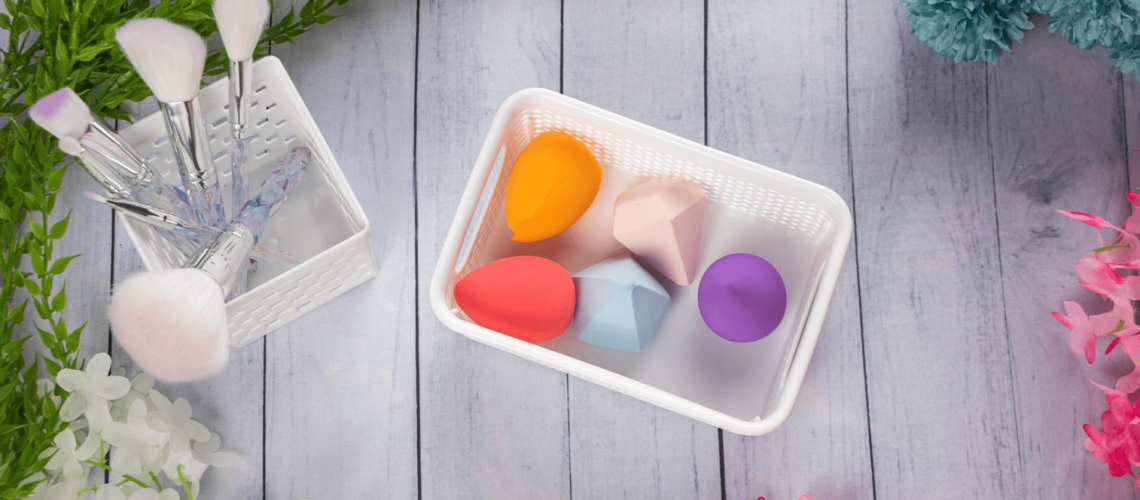
- Apply foundation with a damp makeup sponge using gentle tapping motions.
- Avoid excessive powder, especially around dry areas.
Remember that foundation cannot treat the underlying cause of skin flaking. If your skin is persistently irritated, peeling, or uncomfortable, consider consulting a dermatologist.
How to Prepare Dry Skin Before Foundation
Proper skin preparation is just as important as choosing the right foundation. Even an expensive product may look uneven if your skin is dehydrated or covered with loose flakes.
Follow this simple routine before applying makeup.
Step 1: Cleanse Gently
Use a gentle, hydrating cleanser that removes dirt and excess oil without stripping your skin.
Avoid harsh cleansers that leave your face feeling tight after washing.
Step 2: Apply a Hydrating Serum
A serum containing hyaluronic acid or glycerin can help increase skin hydration.
Apply it to slightly damp skin and follow with a moisturizer.
Step 3: Use a Moisturizer
Choose a moisturizer suitable for your skin type.
Cream-based moisturizers may provide additional comfort during winter, particularly if your skin feels tight or rough.
Step 4: Apply a Hydrating Primer
A hydrating primer creates a smoother surface for foundation application.
It can help makeup spread more evenly and improve the overall appearance of your complexion.
Step 5: Apply Foundation Gently
Start with a small amount of foundation and blend it gradually.
Use a damp sponge or a soft foundation brush, focusing on areas that need more coverage.
Avoid rubbing the product aggressively, as this may emphasize flaky patches.
Common Foundation Mistakes to Avoid
Even when using the right products, certain makeup habits can make dry skin look worse.
Watch out for these common mistakes:
- Applying foundation directly to unmoisturized skin.
- Using too much powder to set the entire face.
- Choosing a foundation with an excessively matte finish.
- Applying multiple thick layers to cover imperfections.
- Skipping primer when your skin needs additional hydration.
- Using makeup brushes with harsh or rough bristles.
- Ignoring skincare and relying on foundation to hide dryness.
A lighter application often creates a smoother and more natural result.
How to Make Foundation Last Longer in Winter
Cold weather and indoor heating can affect how makeup looks throughout the day. A few adjustments can help maintain a fresh finish.
- Start with a consistent moisturizing skincare routine.
- Allow your moisturizer and primer to absorb before applying foundation.
- Use thin layers instead of applying too much product at once.
- Apply setting powder only where necessary.
- Choose a hydrating setting spray to finish your makeup.
- Avoid repeatedly touching or rubbing your face.
These simple steps can help your makeup look smoother without making your skin feel heavy or uncomfortable.
Frequently Asked Questions
What is the best foundation for dry skin in winter?
A hydrating liquid, serum, or cream foundation with ingredients such as hyaluronic acid, glycerin, and squalane is often a good choice. Look for natural or dewy finishes that provide comfortable coverage.
Is liquid foundation better for dry skin?
Liquid foundation is often suitable for dry skin because many formulas offer lightweight textures and moisturizing ingredients. However, the best option depends on the product’s formulation rather than its texture alone.
How do I stop foundation from looking flaky?
Start with gentle cleansing, apply a hydrating serum and moisturizer, and use a suitable primer. Choose a hydrating foundation and blend it gently with a damp makeup sponge.
Should people with dry skin use matte foundation?
People with dry skin may find that traditional matte foundations emphasize flaky areas and uneven texture. Natural, satin, and dewy finishes are often more comfortable alternatives.
Is a hydrating foundation suitable for everyday use?
Yes. A lightweight hydrating foundation can be suitable for everyday makeup, particularly if it provides comfortable coverage without feeling heavy or drying.
Can I mix moisturizer with foundation?
Some people mix a small amount of moisturizer with foundation to create a lighter finish. However, this may change the product’s performance and wear time. Applying moisturizer separately before foundation is generally a more reliable approach.


1 Comment
[…] Best Foundation for Dry Skin […]
Comments are closed for this article!